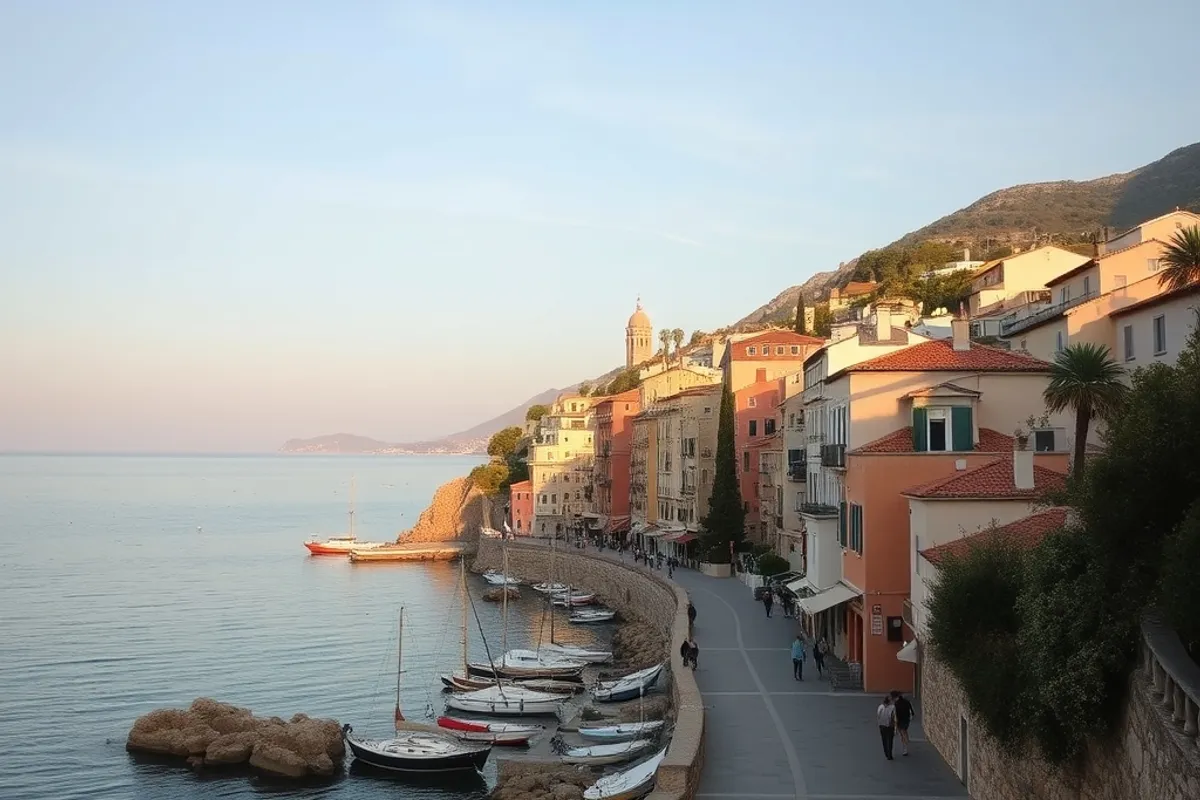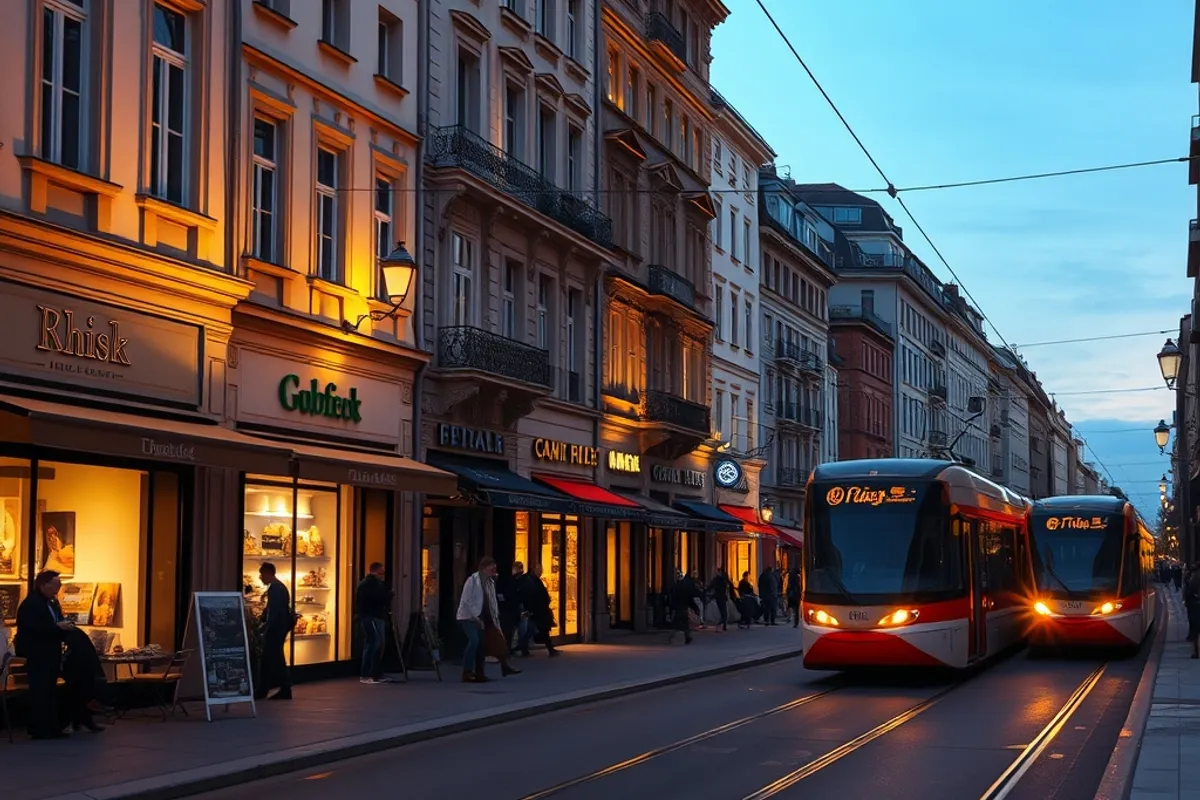
A weekend city escape is not a small version of a week-long city break. It has two nights, one full day and a travel day at each end, which means the plan has to be ruthless about what it leaves out. The best weekends I have had were not the ones with the most sights. They were the ones where the neighbourhood, the food and the pace fitted the time.
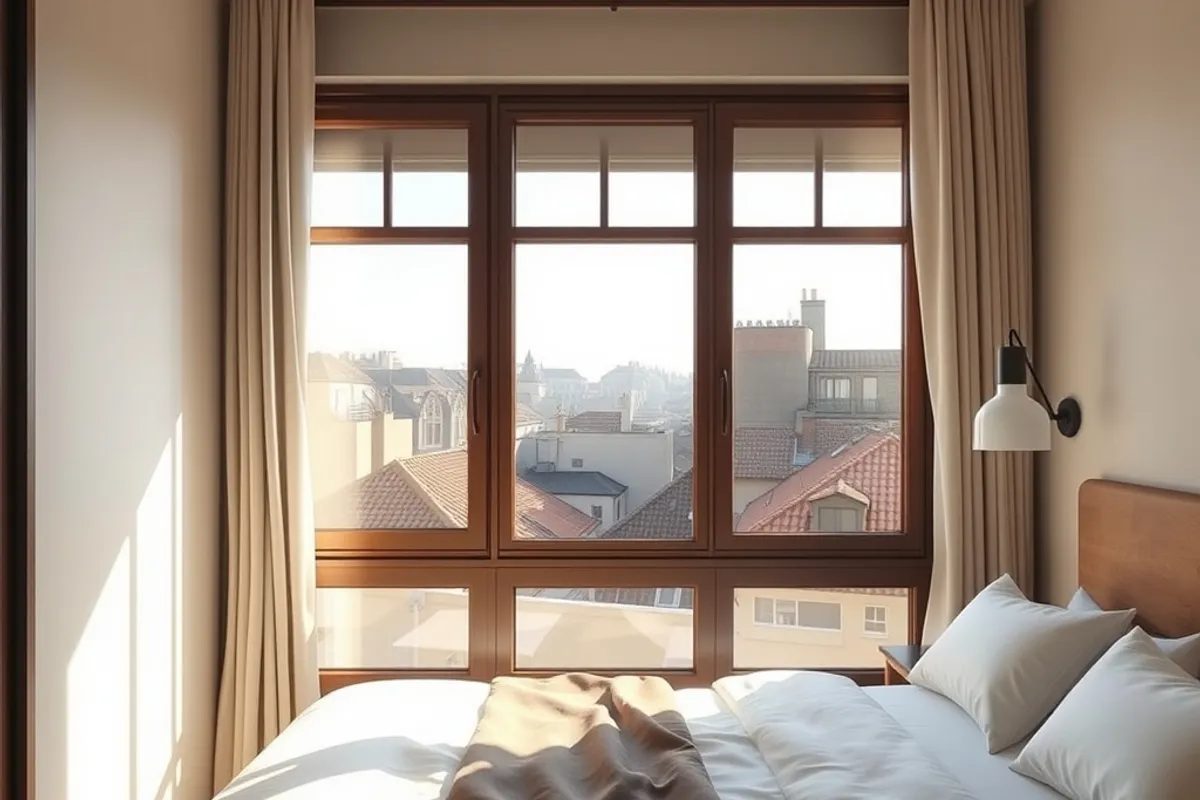
The two-night shape
Friday night is for arrival, not for ambition. Check in, walk ten minutes to the nearest good street, eat something local and go to bed. Saturday is the full day: one anchor sight, one long lunch and a neighbourhood walk. Sunday is a slow breakfast, one small thing and an early train home. That shape gives you the feeling of a trip without the Monday exhaustion.
The mistake is treating Friday as a bonus night and staying out late, then wasting Saturday morning in bed. The other mistake is booking a Sunday evening flight and spending the last day watching the clock. I would rather leave at three on Sunday with a good memory than at eight with a bad one.
Choose the neighbourhood, not the sights
For two nights, the room is a base, not a destination. I look for a neighbourhood with a bakery, a couple of restaurants and a metro or tram stop within five minutes. That matters more than a central address with nothing open after ten. The best areas are often one stop outside the postcard centre, where people actually live and the prices are lower.
I check the evening noise, the distance to the station and whether the street has a reason to be awake at night. A room above a bar can be fun for one night and miserable for two. A room in a quiet residential street can feel isolated if the last train is at eleven. The map and the reviews tell you more than the hotel's own description.
- Five minutes to transit, a bakery and a real restaurant.
- A street that is alive at night but not a nightlife strip.
- A short transfer from the station, not a 40-dollar taxi.
- A late checkout or luggage storage for Sunday.
Friday night that sets up Saturday
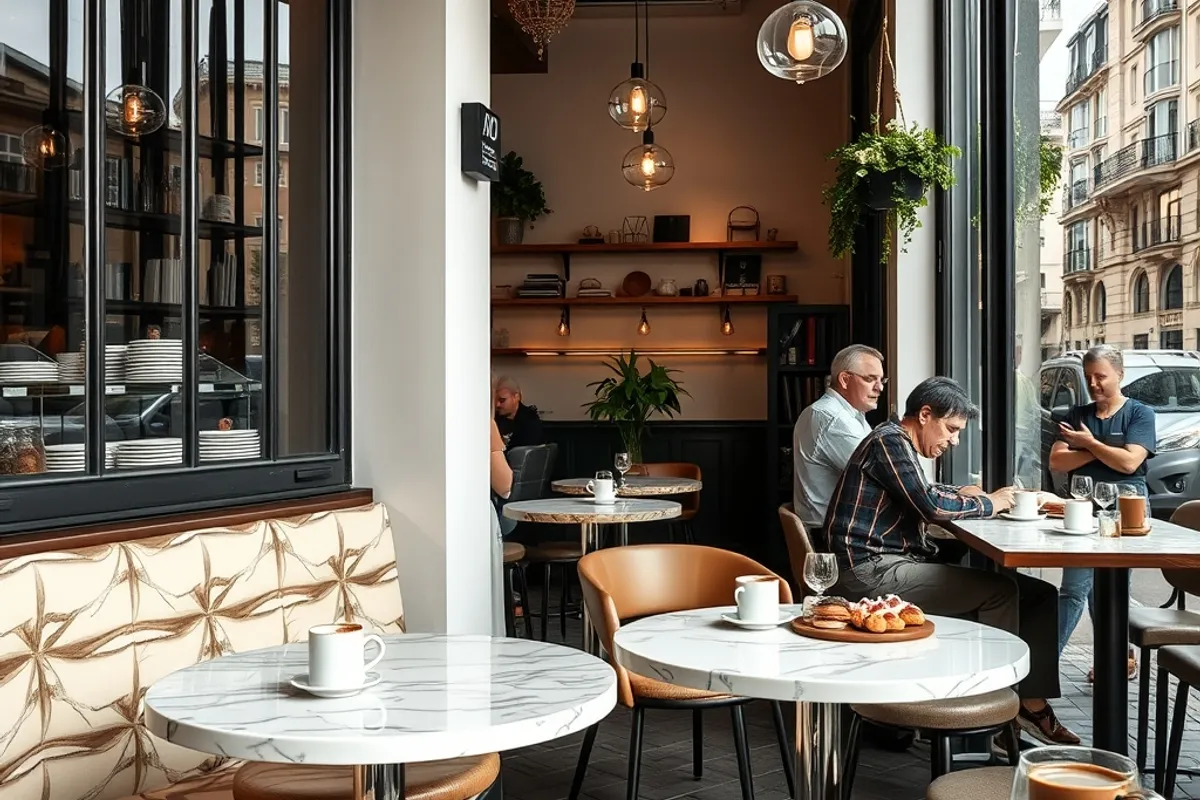
Arrive with a plan for the first hour: drop the bag, buy a coffee and walk the block. That small ritual turns a travel day into the start of the trip. For dinner, I pick a place within walking distance and book it before I leave, because the first night is the one where a queue can ruin the mood. A simple local restaurant is better than a famous one across town.
If the train gets in late, keep a backup: a market hall, a noodle bar or a hotel restaurant that stays open. A hungry arrival is the most common reason a weekend starts badly. I also check the check-in time; a 4pm check-in can leave you carrying a bag through the best part of the afternoon.
One anchor a day
One anchor is the thing you would regret missing. It might be a museum, a market, a gallery or a specific walk. Everything else is optional. That structure protects the trip from the checklist mentality and leaves room for the accidental good part: a side street, a record shop, a park bench with a view.
I book timed tickets only for the anchor, and I leave a two-hour window around it. If the museum takes longer, the rest of the day adjusts. If it takes less, the neighbourhood fills the gap. The worst city weekends are the ones where every hour is booked and the traveller spends the day running between reservations.
A weekend has room for one good story. Choose the thing you will still talk about on Monday, then let the rest happen around it.
Eating well without a reservation
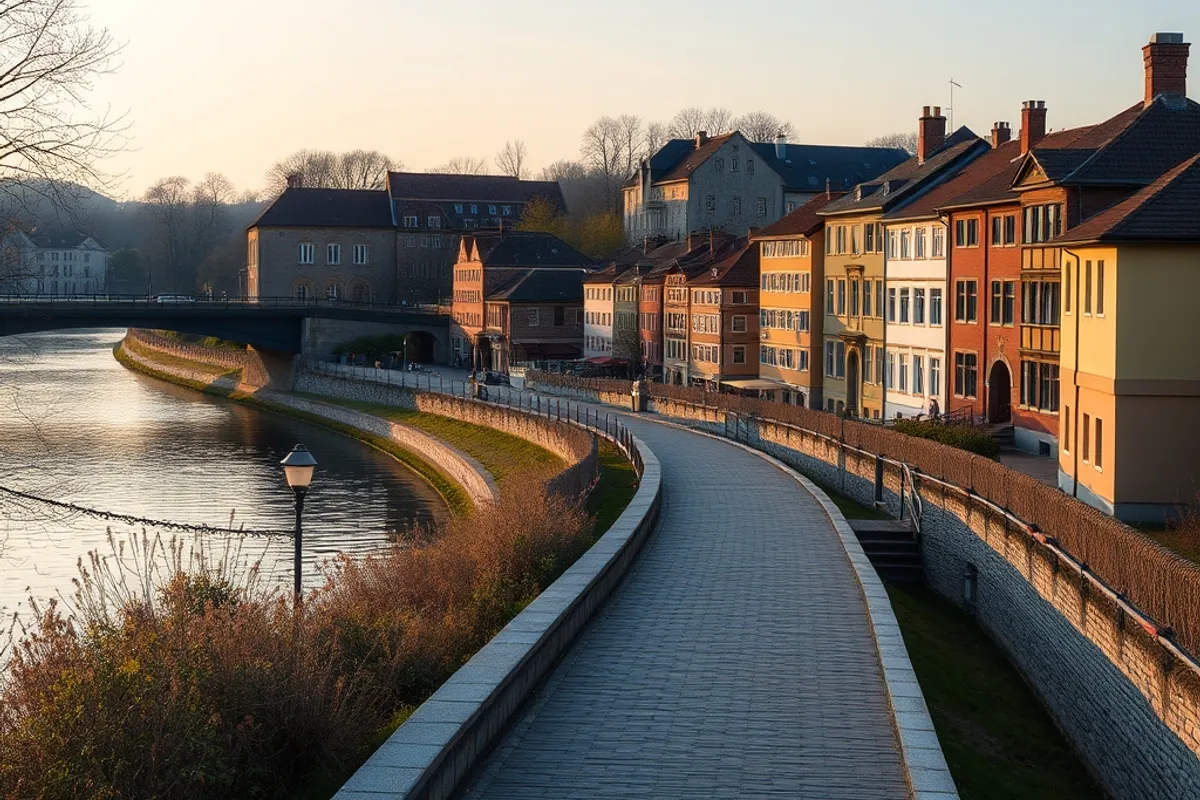
Two nights is too short to chase a famous dinner. I book one meal, usually Saturday lunch, and leave the rest flexible. Lunch is often better value than dinner in the same restaurant, and a long lunch fits the weekend rhythm. For dinner, a neighbourhood place with a short menu beats a tourist-menu restaurant with a long one.
I look for the places with local customers, a daily special and a price list outside. The best meal of the weekend is often the cheapest. If the city has a market, go early and eat there; the produce, the cheese and the coffee are usually better than a hotel breakfast, and the market is part of the trip.
The Sunday exit
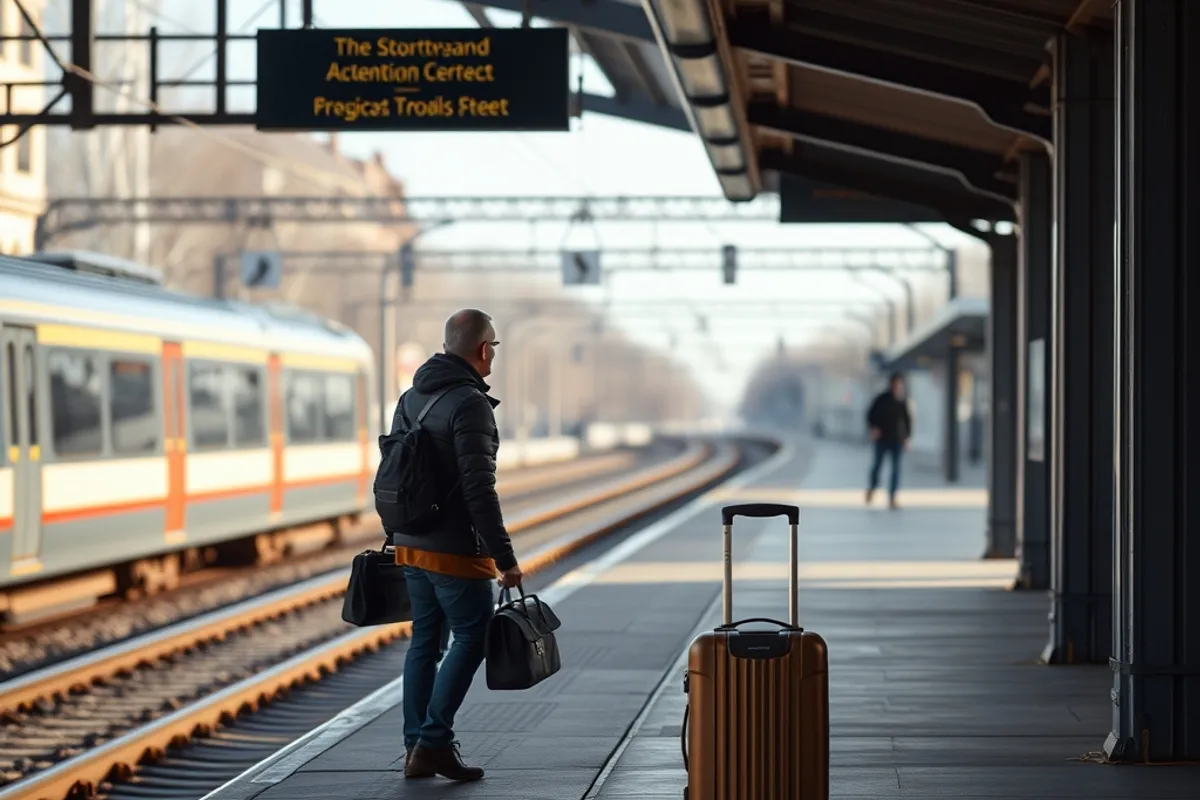
Sunday should be small. A slow breakfast, a walk in a park or along the river, and one last coffee. I check out by eleven, leave the bag at the hotel and head for the station with time to spare. The last train is not the one to aim for; the one before it is. A delay on Sunday afternoon is annoying; a missed connection is a ruined Monday.
If the trip is by car, I leave before the afternoon rush and plan a stop halfway. If it is by train, I book a seat and keep the ticket on my phone and on paper. The exit is part of the trip, not an afterthought, and a calm journey home is what makes the weekend feel longer than two nights.
What it costs
A two-night city escape for two usually runs 600 to 1,200 dollars before travel: 300 to 700 for the room, 150 to 300 for food and 100 to 200 for tickets, transit and small extras. The range depends on the city and the season. A Sunday night stay can cut the room rate, but it also adds a day off work, so the saving is not always real.
The best value is usually a Friday and Saturday night in a neighbourhood hotel, one booked lunch and a free anchor such as a market or a walk. The expensive version is a central chain hotel, two restaurant dinners and a taxi everywhere. Both are valid; only one is a weekend.
If the trip is closer to home, our day trip guide covers the shorter version. If you want the same two-night shape without the travel, the hotel staycation guide adapts it to your own city.