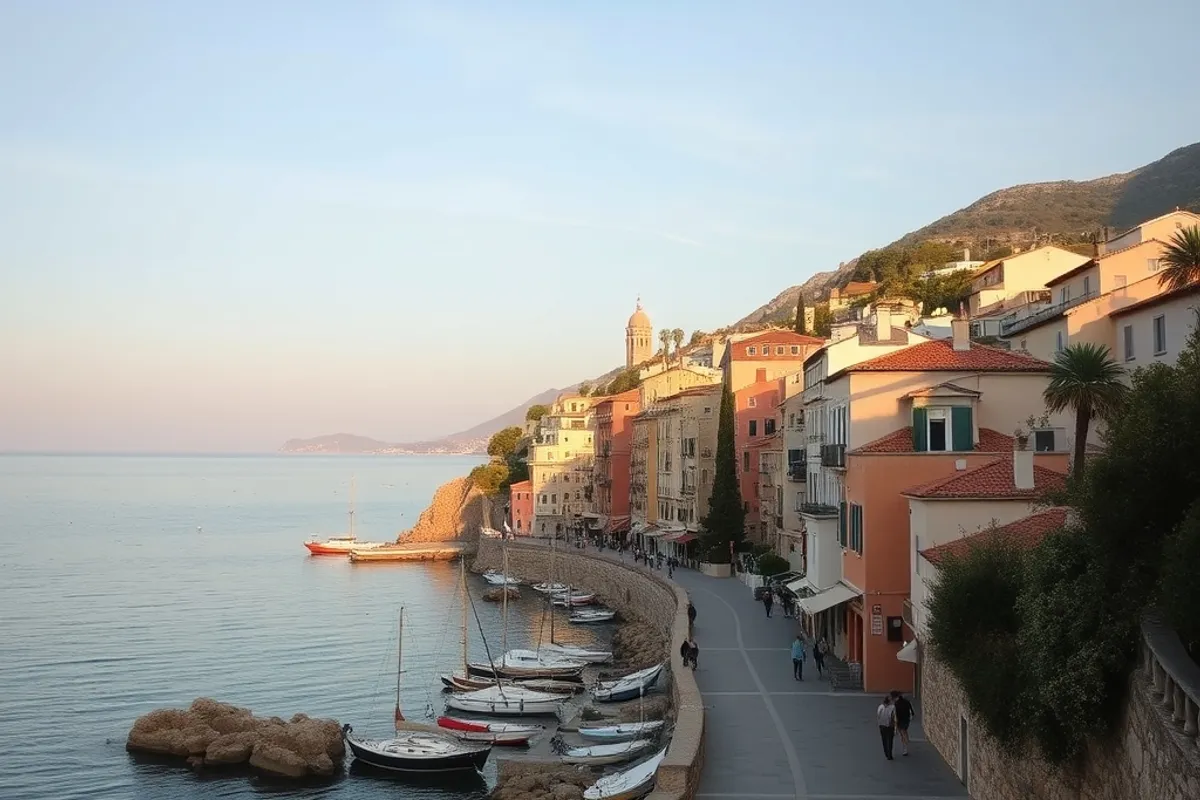
Most trip budgets are built backwards. We find a fare we like, book it, and then discover that the airport transfer, the checked bag and the first night cost more than the flight. By the time the trip starts, the budget is already a memory. In 2026 I planned eight trips with a simple rule: price the whole thing before I pay for any part of it.

Why the fare is the smallest number
A fare is a headline, not a total. Add a bag, a seat you can actually sit in, the transfer at both ends, a night near the airport if the flight is early, and the meals you will buy because you are too tired to cook. That is before the hotel, the tickets and the ordinary spending that makes a trip worth taking.
For a two-night city break for two people, I usually plan 750 to 1,400 dollars before flights. The range is wide because a hostel and a four-star hotel are different products, but the point is to see the whole number early. Once the total is visible, the cheap fare stops looking cheap and the good decision becomes obvious.
Build the total before you book
I use four lines: transport, sleep, food and the rest. Transport includes the flight, the bags, the seat and the local transfer. Sleep includes the room, the city tax and any resort fee. Food is a daily number, not a guess. The rest is tickets, insurance, a sim card and the one thing you will buy that you did not plan.
The order matters. Set the total you can afford, subtract the fixed costs, then see what is left for the room. Most people do the opposite and let the hotel decide the trip. If the train is cheap and the hotel is expensive, stay one night and eat well. If the hotel is the reason for the trip, cut the transport cost instead.
- Transport: fare, bags, seat, airport transfer, local transit.
- Sleep: room, tax, resort fee, breakfast if it is not included.
- Food: a realistic daily figure, plus one proper meal.
- The rest: tickets, insurance, data, laundry, a small buffer.
A trip you can pay for twice is a trip you can enjoy once. Price the whole thing before the first click.

The calendar is a price list
Dates move prices more than booking tricks do. School holidays, local festivals, public holidays and the last weekend of a month can double a room rate. I check the destination calendar before I check the booking site, then move the trip by a week if the saving is real. A Tuesday-to-Thursday city break is often 20 to 30 percent cheaper than the same three nights over a weekend.
Shoulder weeks are the sweet spot for many destinations: the weather is still usable, the crowds are thinner and the rates have not yet jumped. The trade-off is that some restaurants and tours close for the season. I call or check the official tourism site for the exact week rather than trusting a general guide. The UK foreign travel advice is also worth a look for entry rules and local warnings before the dates are fixed.
Booking windows that matter
Not every trip rewards the same timing. Peak-season hotels and permit-controlled routes are best booked months ahead, because the good rooms and the good dates go first. Off-peak city hotels are often better left until a few weeks out, when unsold inventory drops. Flights are a mixed bag: book early for school holidays, wait for the sales if your dates are flexible.
I keep a simple rule for flexible bookings. If the difference between a flexible and a non-refundable rate is under 10 percent, I take flexible. Above 20 percent, I take the cheaper rate only if I am confident the dates will not move. The middle ground depends on how likely the trip is to change, and that is a judgment, not a formula.
Insurance, documents and the buffer
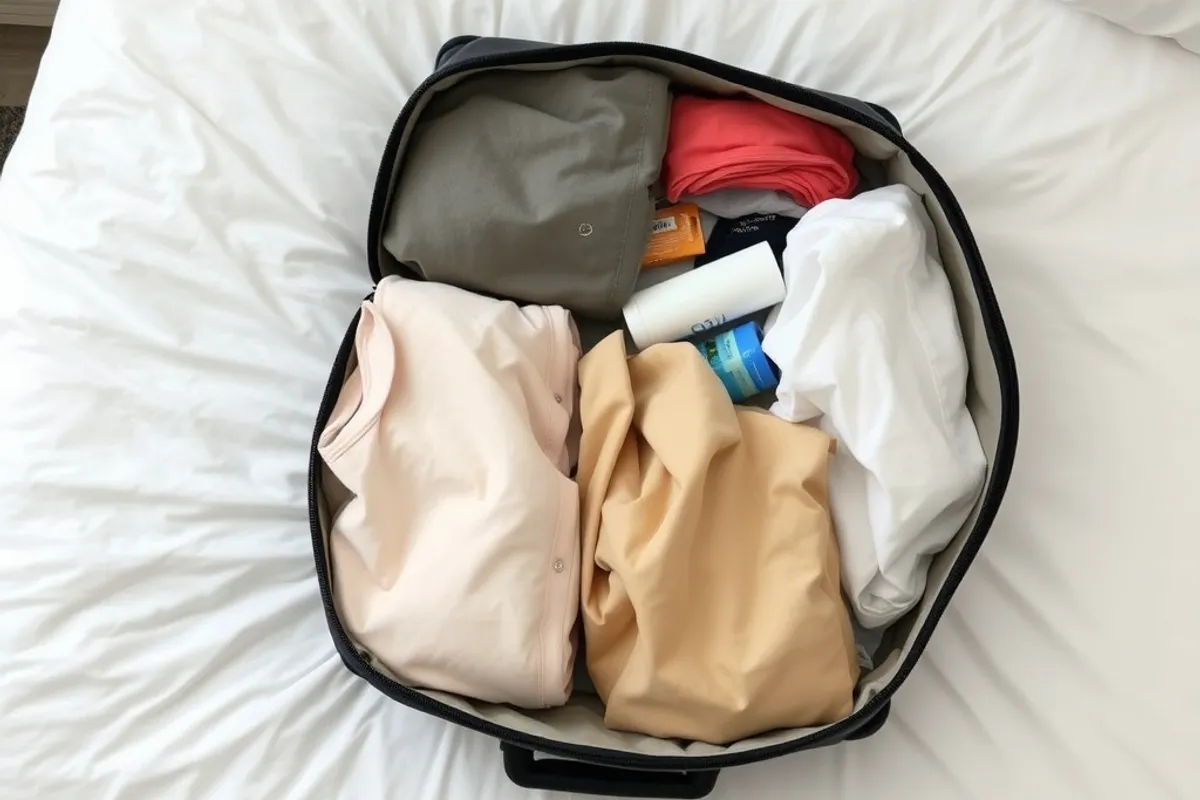
Insurance is part of the budget, not an optional extra. Read the excess, the cancellation cover and the medical limit before you buy, and check that the policy covers the activities you actually plan to do. A cheap policy that excludes hiking or scuba is not cheap. Keep a digital copy of the policy and the emergency number offline, because the moment you need them is usually the moment the signal disappears.
Documents are the other fixed cost. Passport validity, visas, an onward ticket and proof of accommodation can all end a trip at the gate. I keep a folder with the passport, the insurance, the bookings and a printed backup of the first night. The buffer is 10 percent of the total, held back for the taxi when the train is cancelled or the extra night when the weather closes the road.
A budget that survives the trip
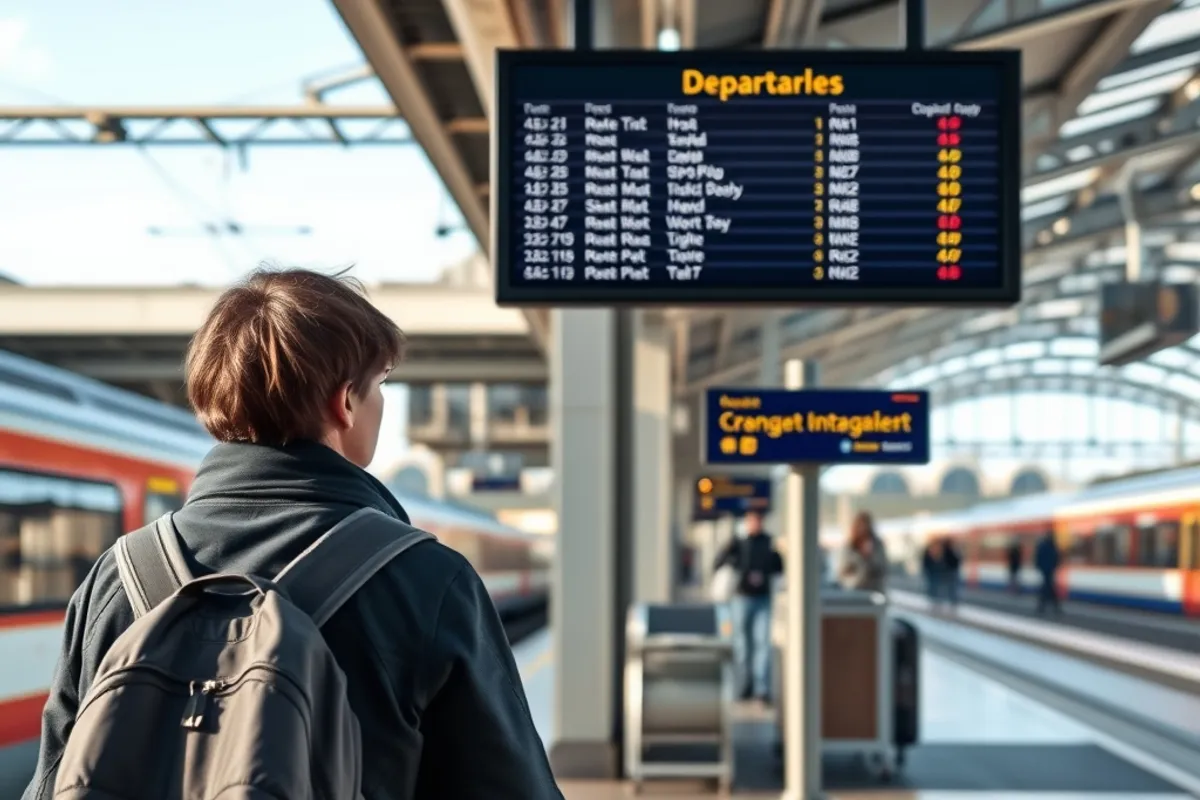
The budget is not finished when the trip starts. I track the daily spend for the first two days, because that is where the estimate meets reality. If breakfast is double what I planned, I adjust lunch rather than pretend the number will fix itself. A small notebook or a notes app is enough; the point is to notice early, not to account for every coffee.
At the end, I write down the three biggest surprises: the cost that was higher, the cost that was lower and the thing I would not pay for again. That note is worth more than any packing list. It turns the next budget from a guess into a plan, and it is the reason the same trip costs less the second time.
What I would do differently
I would book the first night before the flight, not after, because arriving with nowhere to sleep is the most expensive mistake in the plan. I would also keep the last day free of a fixed booking, so a delayed train does not turn into a lost ticket. And I would stop pretending that a city break needs a checklist of five sights; two good ones and a long lunch is a better use of the budget.
For the weeks that sit just outside the peak, our shoulder season guide explains where the savings are real. If the trip is a resort week rather than a city break, the all-inclusive value guide shows which extras belong in the total from the start.