A day trip is the cheapest kind of travel and the easiest to get wrong. The place looks lovely in a photograph, the journey seems short on a map, and then you spend three hours in traffic to eat a mediocre lunch in a crowd. In 2026 I made a habit of one day trip a month and kept a simple rule: the trip has to be better than a good afternoon at home.

The 90-minute rule
Ninety minutes door to door is the line between a day trip and a logistics exercise. Under 90 minutes, you arrive with energy and still have a full afternoon. Over two hours, the day becomes a series of deadlines and the destination has to be exceptional to justify it. I measure from my front door, not from the station, and I include the walk at the other end.
The rule is not absolute. A two-hour train with a table and a view can be part of the pleasure, especially if the destination is a walk or a beach. But a two-hour drive each way for a market you can finish in an hour is a bad trade. The best day trips are close enough that you can change your mind and go home early.
Pick the day, not just the place
The same village can be a delight on a Wednesday and a nightmare on a sunny Saturday. I check the market day, the school holidays, the local fixtures and the weather before I choose the date. A wet Tuesday can be better than a crowded Sunday if the destination has an indoor anchor, such as a museum, a bookshop or a good lunch.
I also check the opening hours of the one thing I am going for. A garden that closes at four is not a day trip if the train gets in at two. A restaurant that only serves lunch is not a dinner plan. The official website or a quick phone call is more reliable than a search result that was written three years ago.
- Check market days, festivals and school holidays.
- Confirm the opening hours of the anchor sight.
- Look at the last train or the drive home in the dark.
- Have an indoor backup for a wet day.
Transit and parking
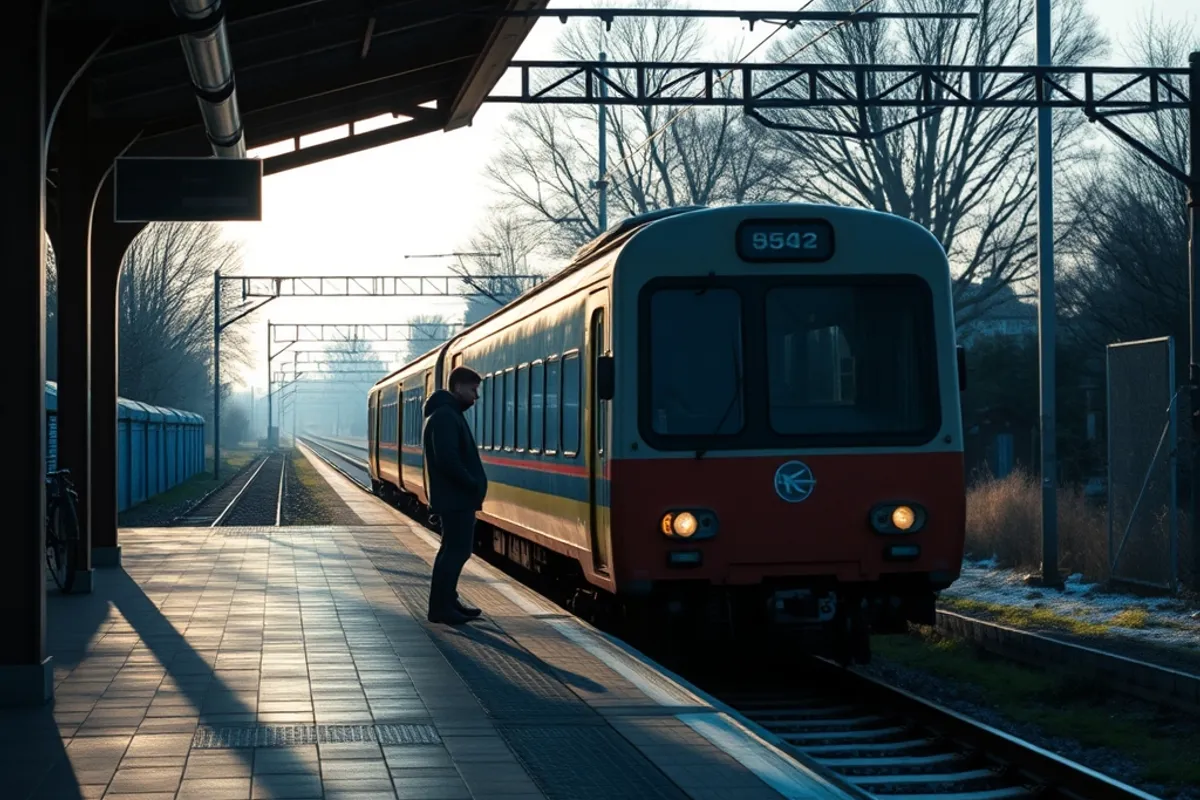
If the train works, take it. A day trip by rail is usually cheaper than parking, and the journey becomes part of the day rather than a chore. I book a seat if the line is busy and keep the return ticket flexible where possible. For a car trip, I check the parking before I leave: a village with 20 spaces and a popular walk can be full by ten.
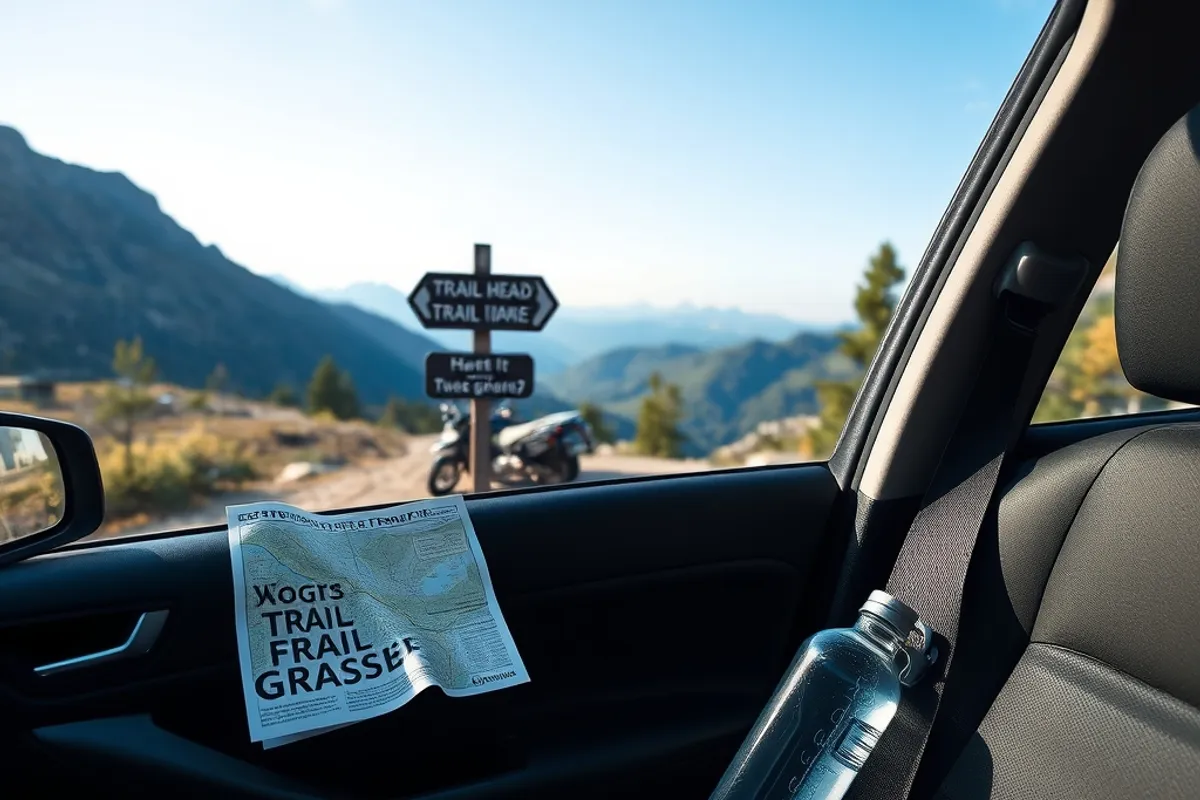
Parking apps, charges and the walk from the car park are part of the plan. A 15-minute walk from a free car park can be better than a five-minute walk from an expensive one. If the destination is a trailhead, I check whether the car park closes at dusk and whether the road is suitable for a normal car. The last thing I want at the end of a walk is a locked gate.
What to carry
A day trip needs less than a weekend but more than a commute. I take water, a snack, a waterproof layer, a charged phone, a small power bank and a paper map if the route is rural. In summer, add sun cream and a hat; in winter, add a warm layer and a headlamp. A reusable cup and a small bag for rubbish are easy habits.
The bag should be small enough to carry all day and light enough to forget. A day trip is not a packing challenge; it is a reminder that most of what we carry is optional. I leave the laptop at home and take one book, because the point is to be somewhere else, not to bring the desk with me.
The best day trip is the one where you arrive without a plan and leave with a place you want to return to.

Food and timing
Lunch is the hinge of the day. I book a table if the destination is small and the options are few, or I aim for a market or a bakery if the weather is good. Eating at noon avoids the 1pm queue and leaves the afternoon free. A late lunch can work if the anchor is a walk, but a 3pm meal usually means the day ends at the table.
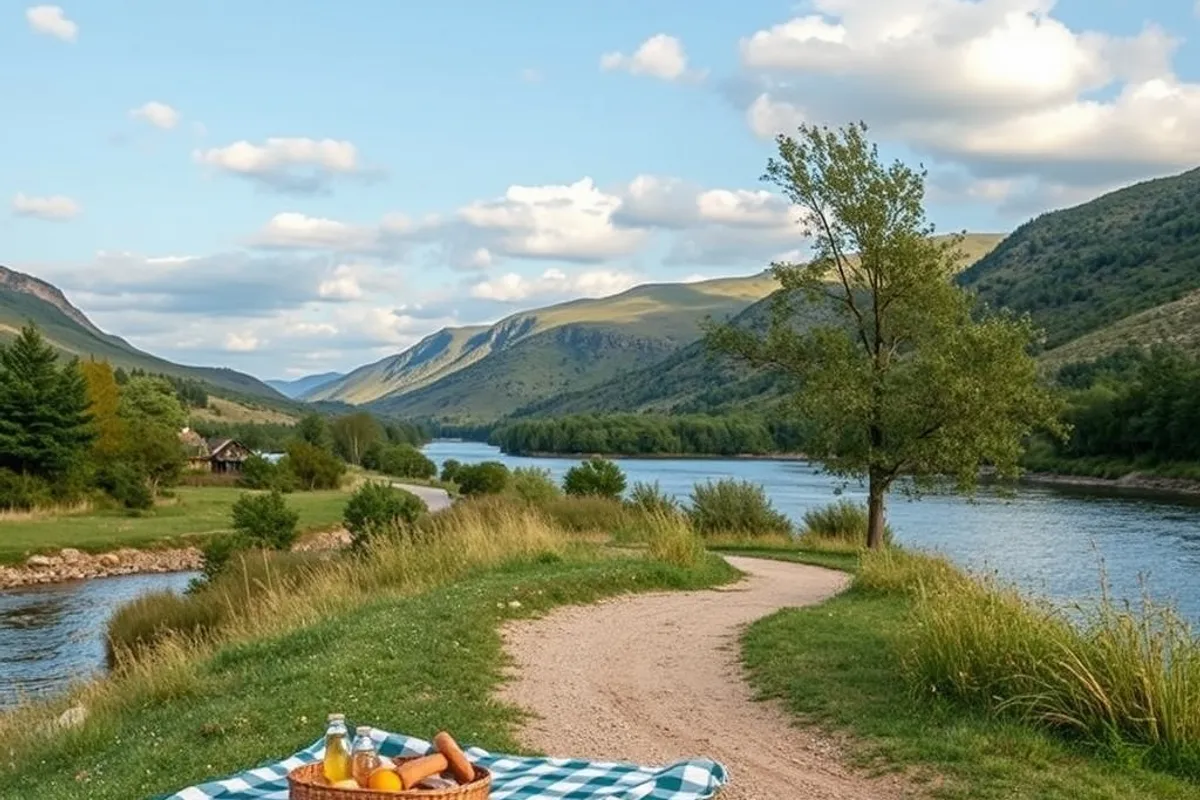
I keep a backup snack in the bag and a second restaurant in mind. The best-laid day trip can meet a closed kitchen or a private event. A picnic is often the better answer: a bakery, a cheese shop and a bench with a view cost less than a restaurant and fit the rhythm of a day out.
Weather and crowds
Weather is the one variable you cannot book around. I check the forecast the night before and again in the morning, then choose the version of the trip that fits. A rainy day can be a museum, a long lunch and a bookshop; a sunny day can be the walk. The mistake is insisting on the original plan when the sky has other ideas.
Crowds follow the same logic. The popular car park is full by ten, the famous cafe has a queue at noon and the return train is busy at six. Leaving an hour earlier solves most of it. So does going on a weekday, if your schedule allows. The destination is often the same; the experience is not.
When to skip it
Skip the trip if the journey is longer than the visit, if the anchor is closed, or if the only reason is that you feel you should. A day trip is not a duty. The best ones are chosen because the place has one thing you genuinely want to see or do, not because it is the nearest dot on a map.
I also skip a trip when the weather is dangerous, when the car is not reliable or when the return would leave me driving tired at night. The point is a good day, not a story about how much you endured. A short trip that ends with a cup of tea at home is a success.
If you want to turn the day into a night, our two-night city escape shows how to build the longer version. If the destination is a walk rather than a town, the coastal route guide covers the planning that a day hike needs.