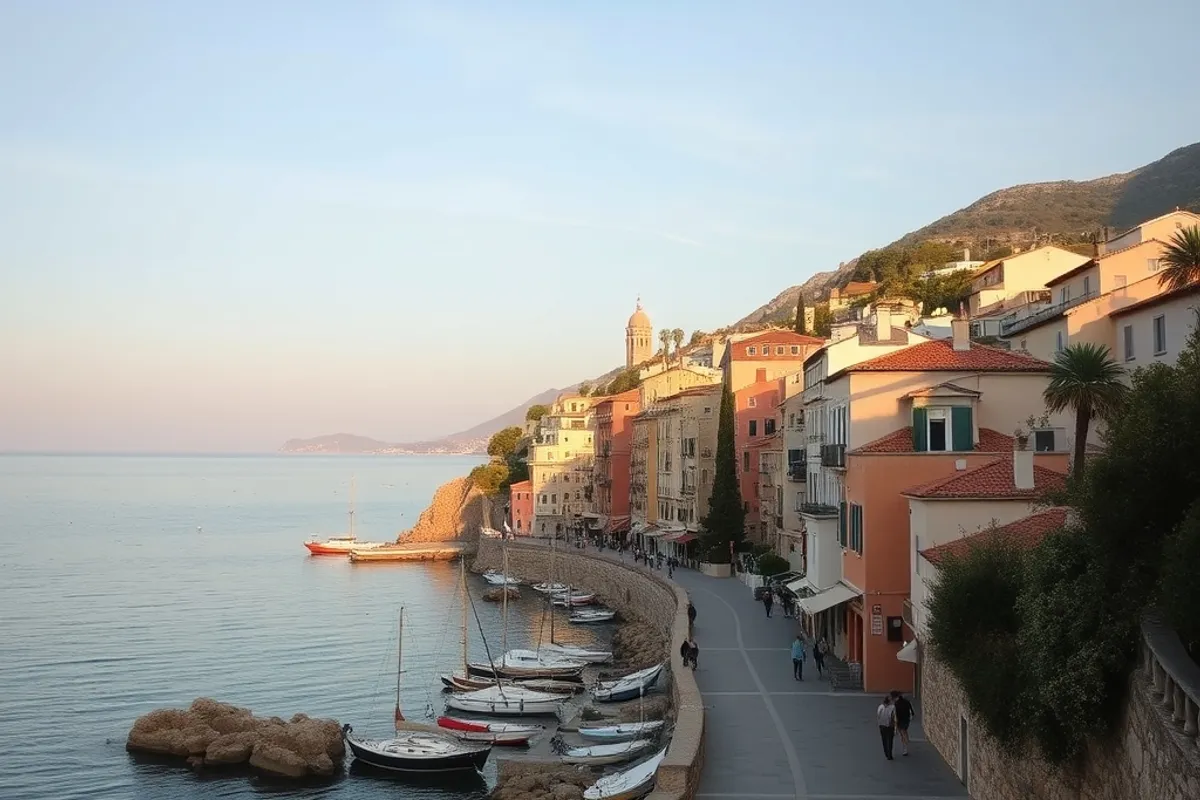
Shoulder season is the travel industry's polite name for the weeks between the crowds and the closures. For travellers, it is often the best value of the year: rooms cost less, restaurants have space and the light is better. For the destination, it is a gamble on the weather. The trick is to know which side of the line you are on.
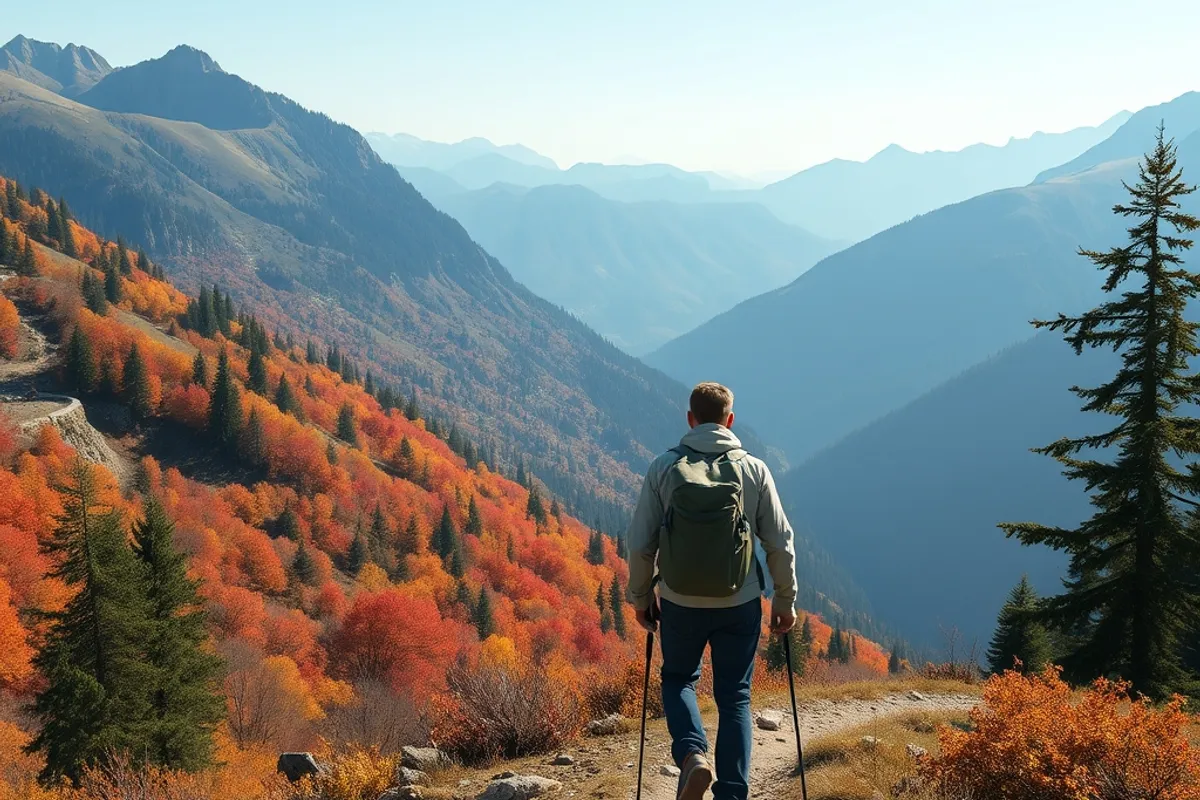
What shoulder season actually means
There is no universal shoulder season. In the Mediterranean it usually means late April to early June and September to mid-October. In the Alps it can mean June before the high trails open and September after the lifts slow down. In the tropics it is the gap between the wet and dry seasons, which is less a season than a coin toss.
The useful definition is commercial, not meteorological. Shoulder season is when the demand has fallen but the destination is still open. That is why the same week can be a bargain in one town and a ghost town in the next. I check three things before I book: the weather record, the opening dates of the places I care about and the local school calendar.
The weather trade-off
A shoulder week is not a guarantee of good weather. It is a bet that the average is still pleasant and the bad days are fewer than in the low season. On a coastal trip, that might mean one rainy afternoon in five days. On a mountain trip, it might mean a closed pass and a lower walk than planned. The bet is usually worth it if you keep one flexible day in the itinerary.
I look at the monthly rainfall and the daily temperature range rather than the average high. A destination that averages 24 degrees can still drop to 12 at night, which changes what you pack and how late you eat outside. The national weather service records are a better planning tool than a tourism slogan. For a walking trip, add a day of buffer so a washed-out day does not ruin the route.

Where the savings show up
The biggest savings are in accommodation, especially in places that depend on a short peak. A room that costs 280 dollars a night in August can be 160 in late September, and the same room often comes with a better breakfast because the staff have time. Flights are less predictable: the shoulder can be cheaper, but school breaks and city events can push fares up.
Car hire is another line that moves. In some destinations the shoulder is cheaper and the fleet is less stretched. In others the rental companies cut supply after the peak and the price goes up. I price the car before I book the flight, because a cheap fare can be wiped out by a week of expensive parking and rental.
- Accommodation: usually the largest saving, especially outside cities.
- Flights: mixed; check the school calendar and local events.
- Car hire: cheaper in some regions, tighter supply in others.
- Tours: smaller groups, but fewer departures and some closures.
Crowds, closures and opening hours
The joy of shoulder season is the space. The risk is that the place you came for is closed. Museums often shorten their hours, a family-run restaurant takes its holiday, and a ferry runs three times a week instead of daily. I check the official site or call ahead for the two or three things that would make the trip worthwhile, then build the plan around what is actually open.
Some closures are a bonus: the beach is empty, the trail is quiet and the hotel upgrade is free because the manager has rooms. Others are fatal to the plan, such as a mountain lift closing before the last week of September. The difference is research, not luck. A quick email to the hotel asking what is open during my dates has saved me from two bad bookings.
Shoulder season rewards the traveller who checks the calendar. The bargain is real only when the thing you came for is still open.
The best weeks by trip type
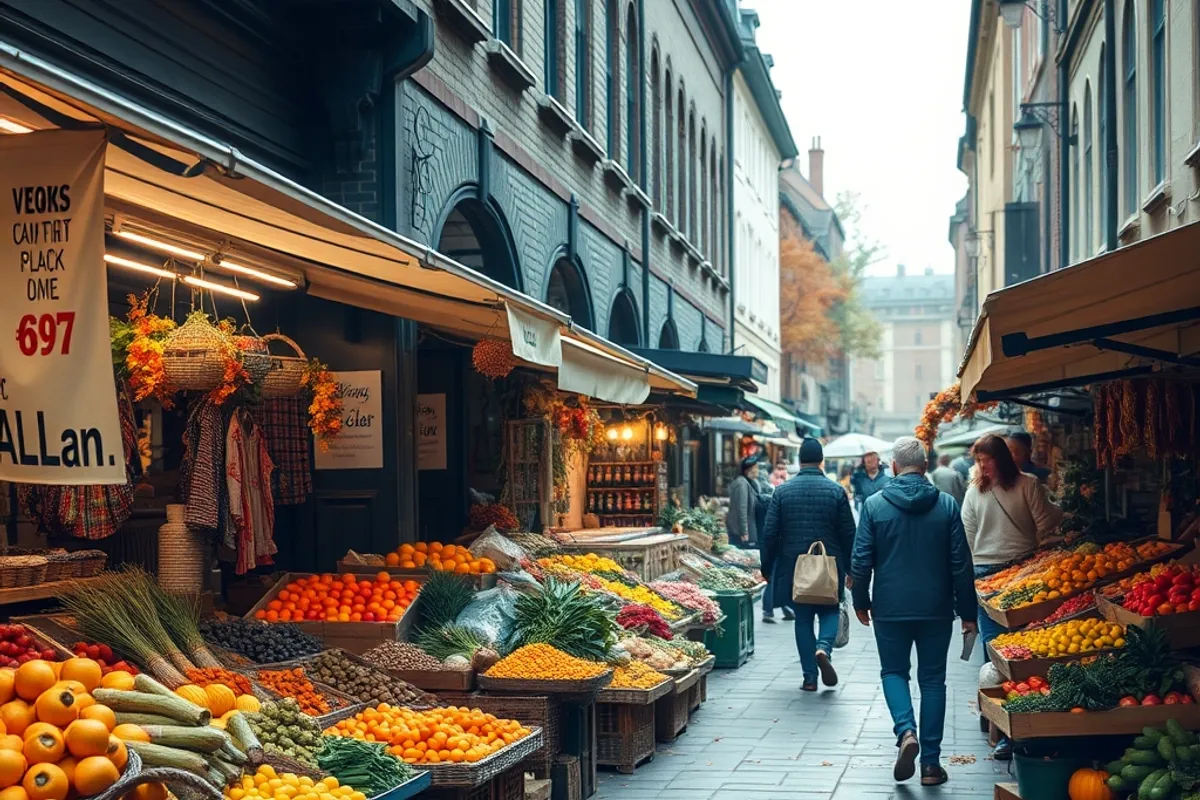
For a city break, the shoulder is usually the two weeks after the summer holidays and the month before the Christmas markets. The weather is still walkable, the queues are shorter and the hotel rates have dropped. For a beach trip, the edge of the season is better than the middle: the sea is still warm and the afternoon storms are less frequent than in the wet weeks.
For a hiking trip, the shoulder is a narrow window. Late spring can mean snow on the passes; early autumn can mean the first storms. I pick the week when the route is open and the huts are still staffed, then accept that one day may be a washout. For a resort week, the shoulder can be excellent value, but check whether the pool is heated and whether the children's club is still running.
How to book a shoulder week
Book the accommodation early if the destination has a short season, because the best small places fill up even in the shoulder. Leave the flight later if your dates are flexible, and set a price alert rather than checking every day. Read the cancellation policy: a flexible rate matters more in a season when the weather can move your plans.
Pack for two seasons. A warm afternoon and a cold evening can sit in the same day, and a waterproof layer earns its place even on a dry forecast. I take a light jacket, a warm mid-layer and shoes that can handle a wet path. The luggage should be small enough to move quickly when the train is cancelled and the next one is in three hours.
When shoulder season fails
It fails when the destination closes around you. If the only reason you are going is a specific restaurant, festival or trail, check the dates before you book. It also fails when the weather is worse than the average and you have no buffer: a five-day trip with four fixed bookings is brittle. And it fails when the saving is small enough that the risk is not worth it, which happens in cities with year-round demand.
When the shoulder is right, it is the best version of the trip: fewer people, better prices and a destination that feels like itself rather than a queue. When it is wrong, it is a week of closed doors and wet shoes. The difference is usually an hour of research, which is a good trade for a cheaper week.
If the budget is the reason you are looking at the shoulder, start with our trip budget method so the saving goes to the right line. For a coastal walk in the gap between seasons, the three-day coastal route guide covers tides and weather windows in more detail.