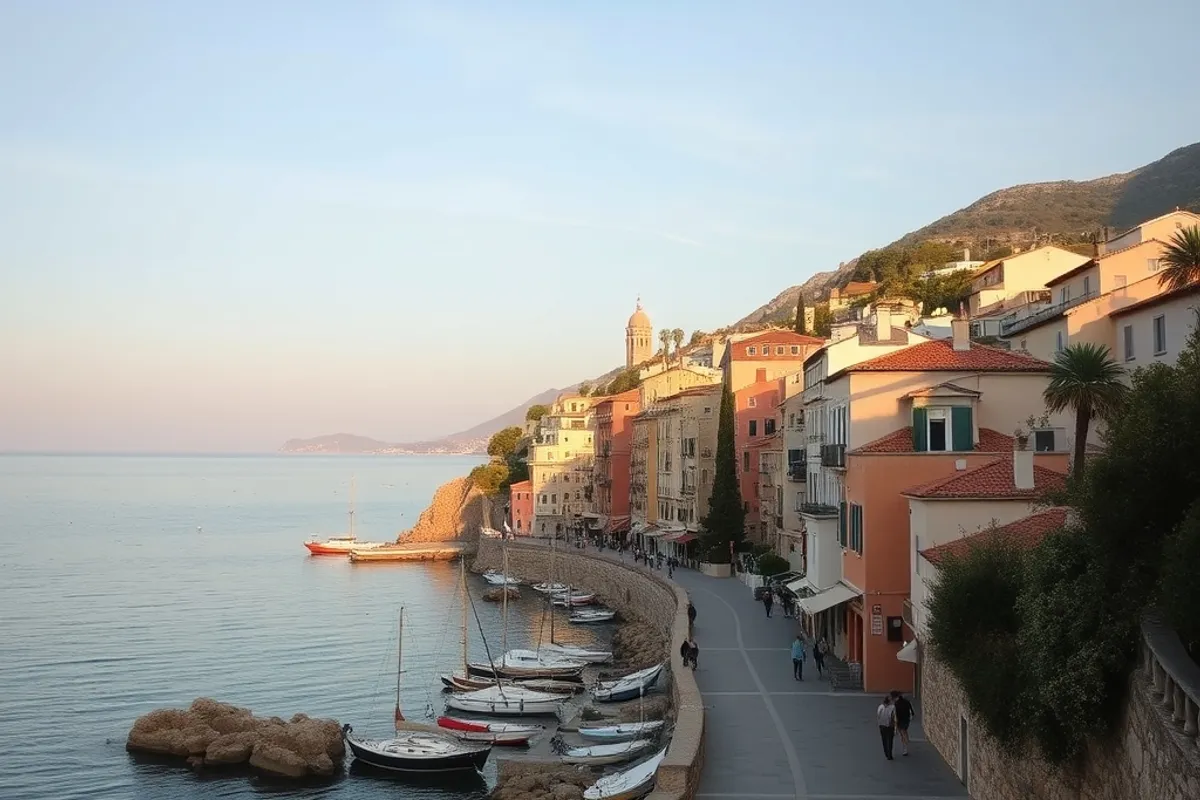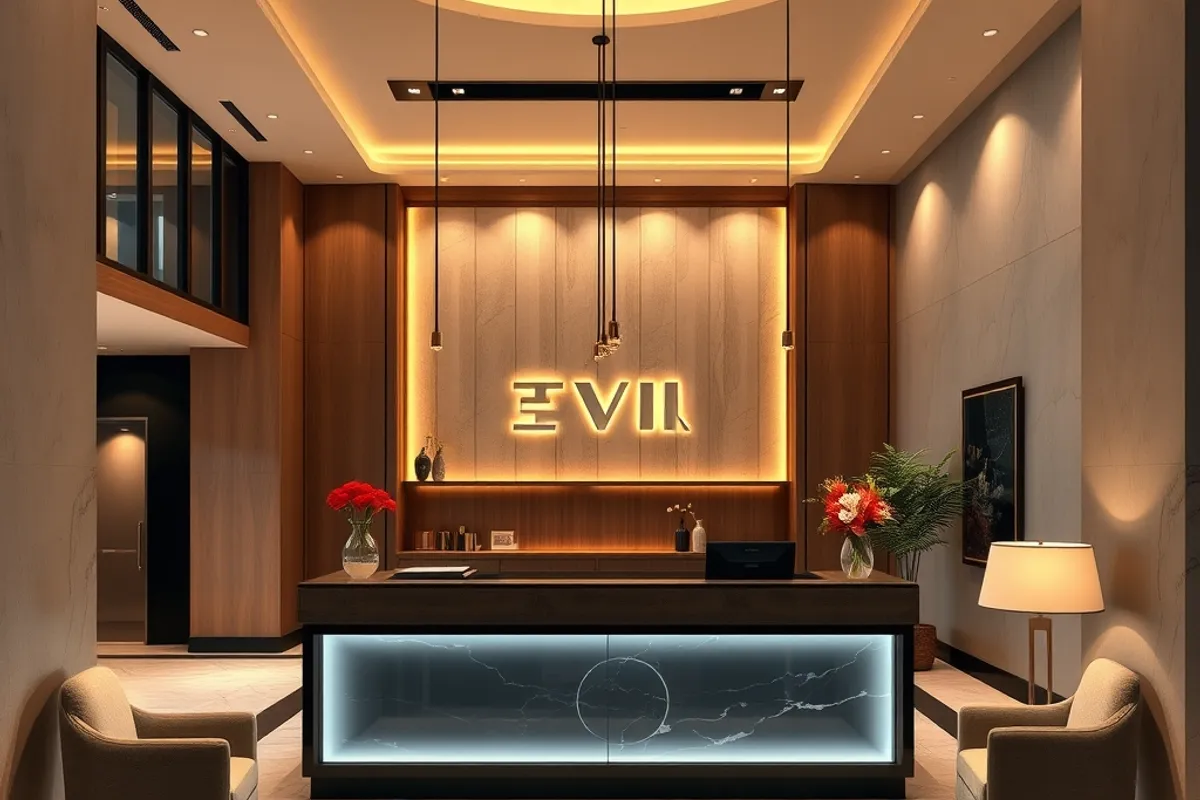
A hotel staycation is the simplest luxury there is: one night in a good hotel in the city you already live in. No flight, no packing, no airport. It can reset a weekend for the price of a dinner, or it can be an expensive way to sleep in a different bed. The difference is in the booking.
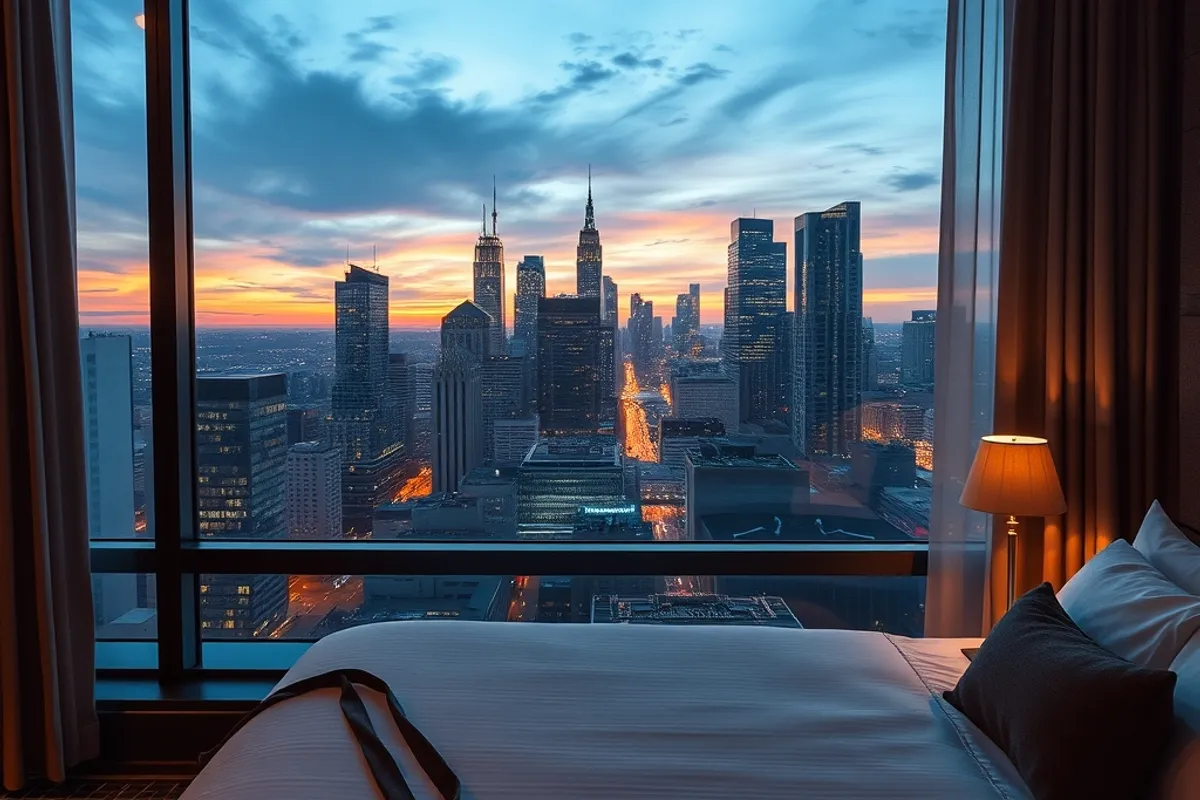
Why a local hotel night works
The value is not the room. It is the change of context. You leave the flat, the laundry and the fridge behind, and for one night you are a visitor in your own city. That small shift is enough to make the weekend feel longer. It also gives you an evening in a neighbourhood you would not normally visit after dark.
One night is usually the right dose. Two nights in a local hotel often cost more than a short trip and can feel like an expensive delay rather than a holiday. I use the hotel as a centre for a 24-hour loop: check in early, walk, eat, sleep, breakfast, late checkout, home. The short shape keeps the cost down and the novelty high.
Choosing the hotel
I choose the neighbourhood before the property. A hotel beside a market, a park or a river walk gives the staycation a reason to exist. A hotel in an office district is quiet at the weekend but dead after eight. The best local hotels are the ones where the bar and the breakfast are good enough that you do not need to leave twice.
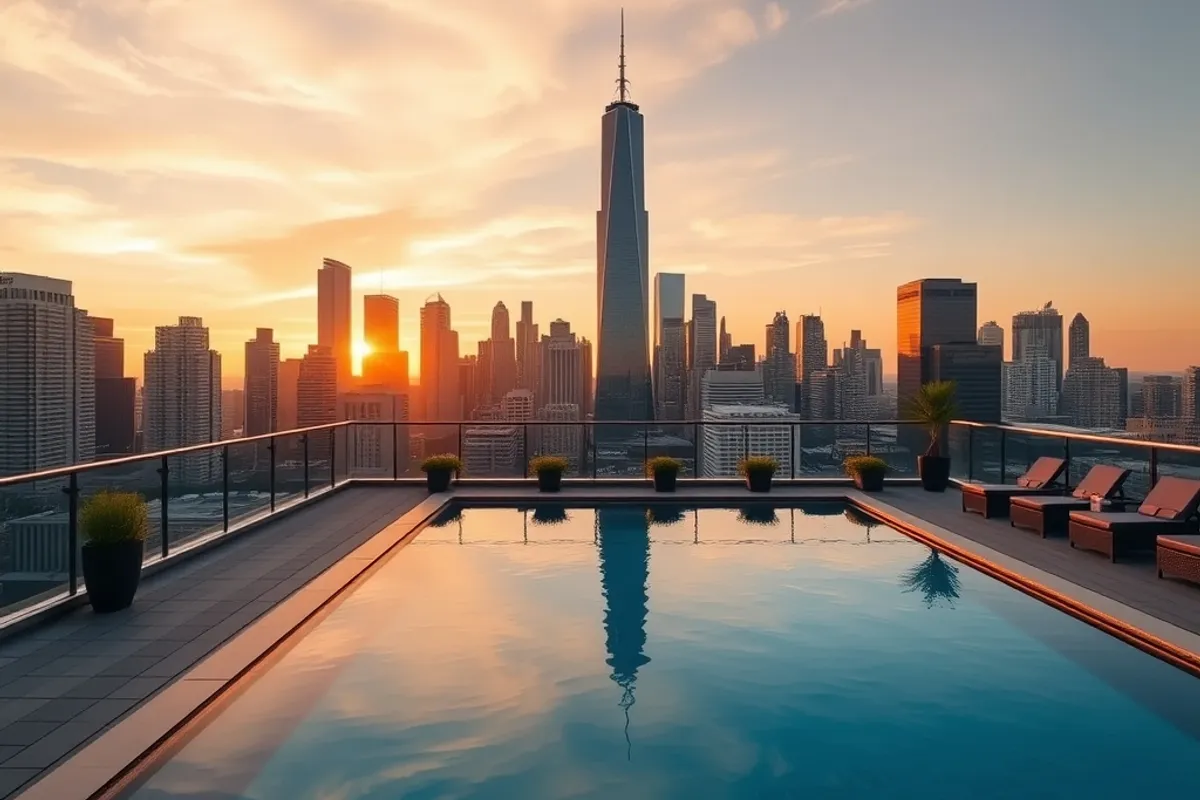
The room matters less than the public spaces for one night. A pool, a bath, a rooftop or a good bar can be the point of the stay. I check the photos for the actual room, not the suite, and read the recent reviews for noise. A hotel that hosts weddings can be a bad choice on a Saturday night, even with a good rate.
- Pick a neighbourhood you want to walk in.
- Check the bar, breakfast and pool hours.
- Read recent reviews for noise and street-facing rooms.
- Confirm the parking cost before you book.
The rate and the extras
The headline rate is not the cost of the night. Parking can be 20 to 40 dollars, breakfast 15 to 30 per person and a late checkout 20 to 50. A resort fee or a city tax may appear at checkout. I add those before I compare two hotels, because a cheap room with expensive parking is not cheap.
Booking direct often gives the best flexible rate and a better chance of an upgrade or a late checkout. I ask for both in the booking notes and again at check-in. A hotel with empty rooms would rather give you a 2pm checkout than lose the goodwill. It costs them little and it makes the staycation feel generous.
The hotel is not the holiday. The 24 hours around it are. Book the room that makes the rest of the day easy.
Late checkout and the pool
Late checkout is the single best upgrade for a one-night stay. A 2pm checkout gives you a slow morning, a swim and a lunch before you go home. Without it, the staycation ends at 11am with a bag on your shoulder. I ask for the latest possible checkout when I book and confirm it the night before.
The pool is the other reason to choose a hotel over a spare room. A morning swim, a sauna or a long bath turns a night away into a small spa break. I check the hours and whether the pool is open to day guests, because a crowded pool on a Saturday afternoon is not the calm I booked.

Dining and the neighbourhood
Dinner can be at the hotel or in the neighbourhood; both are valid. A hotel restaurant is convenient and often better than its reputation, especially for breakfast. A local restaurant gives the night a sense of place. I book one of them and leave the other flexible. The best staycation dinners are the ones within a ten-minute walk of the bed.
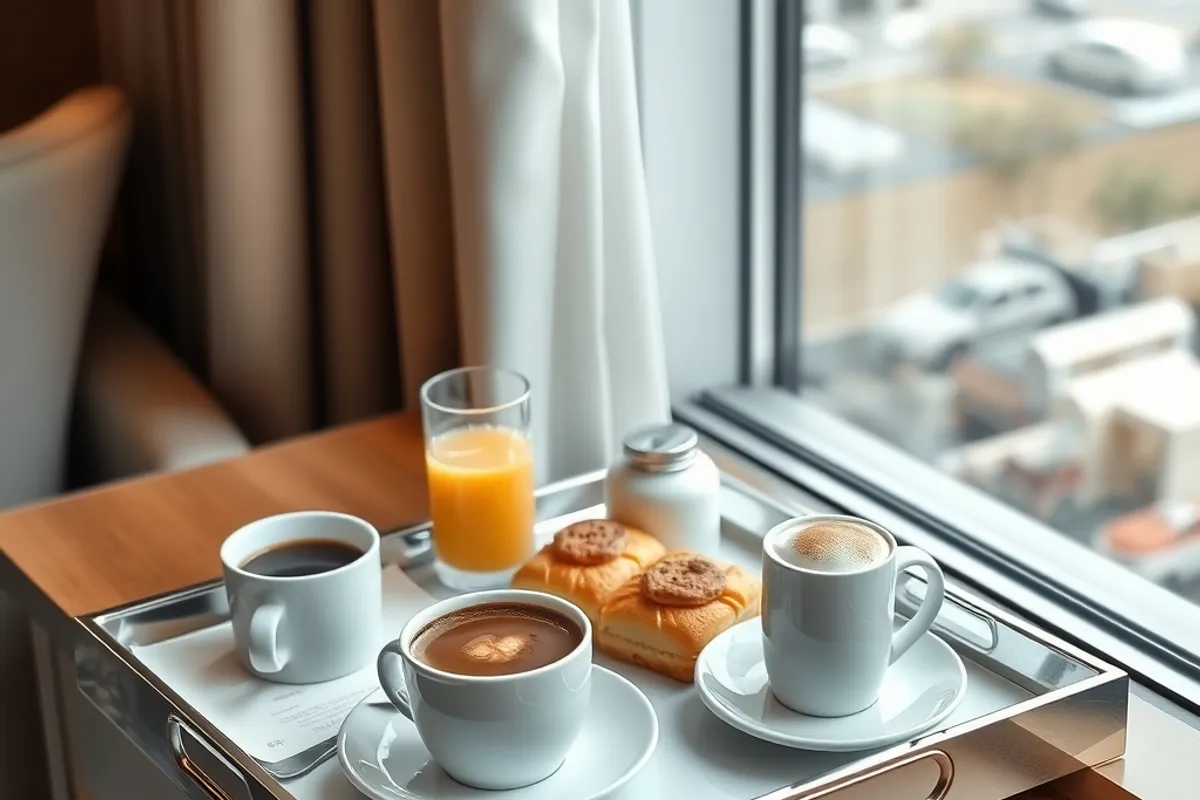
Breakfast is part of the experience. A hotel breakfast that is included can be excellent value, but a 30-dollar buffet is not automatically better than a bakery around the corner. I check what is included and whether the coffee is good. The morning is half the stay; do not spend it queueing for a table.
The work-phone problem
The work phone is the enemy of the hotel staycation. If you check email at midnight, you have paid for a different bed, not a break. I leave the laptop at home and set an out-of-office for the one day. The phone can come, but the work apps go into a folder and the notifications go off. The point is to be a guest, not a remote worker with a nicer desk.
If work cannot wait, choose a Sunday night rather than a Saturday. The city is quieter, the rate is often lower and Monday morning starts from the hotel instead of the flat. It is not a full weekend, but it is a real break in the week, and it costs less than pretending you are offline.
What it costs
A local hotel night for two usually costs 120 to 300 dollars, plus 30 to 80 for parking, breakfast and a late checkout. A dinner and drinks add another 80 to 150. The total is often less than a weekend flight and more restful than a day of shopping. The expensive version is a suite, a spa treatment and a hotel dinner; the cheap version is a standard room, a walk and a bakery breakfast.
The best value is a Sunday night in a good neighbourhood hotel with a late checkout and breakfast included. The worst is a Saturday night in a chain hotel beside a motorway, with parking and a room service bill. Both are one night; only one feels like a trip. If you want the no-hotel version, our home staycation guide covers the weekend without the key card. If you want a full two-night plan, the city escape guide has the shape.