A scenic drive is not a race between viewpoints. The best road trips are built around light, stops and the willingness to pull over. The worst are built around a distance target and a list of places that looked good on a screen. In 2026 I drove four routes that promised scenery and came home with a simple rule: fewer kilometres, earlier starts, better stops.
The route is the destination
The road is the point, not the place at the end. I choose a route with a beginning, a middle and an end that are each worth the drive, then plan the day around the middle. A loop is usually better than an out-and-back, because the return journey does not repeat the same view. A one-way route with a train back is better still, if the car hire allows it.
I look at the map for the shape of the road, not just the distance. A road that follows a river or a ridge is usually more interesting than a motorway that connects two cities. The scenic route may take twice as long, which is fine if the drive is the holiday. The mistake is trying to see a 500-kilometre route in one day.
Choose the right car
The car should match the road, not the fantasy. A small hatchback is fine for most coastal and country routes; a larger car is better for long days and rough tracks. If the route includes a mountain pass, check the clearance, the tyres and the engine before you book. An electric car needs a charging plan, especially in rural areas where the next charger may be 80 kilometres away.
I check the spare tyre, the insurance excess and the fuel type before I leave the rental desk. A puncture on a remote road is a delay, not a disaster, if the car has a usable spare and a jack. The smallest car that fits the passengers and the bags is usually the most enjoyable on a narrow road.
- Small car for coastal and village roads.
- Clearance and tyres for mountain tracks.
- Charging plan for an electric car.
- Spare tyre, jack and insurance excess checked before departure.
Timing and light
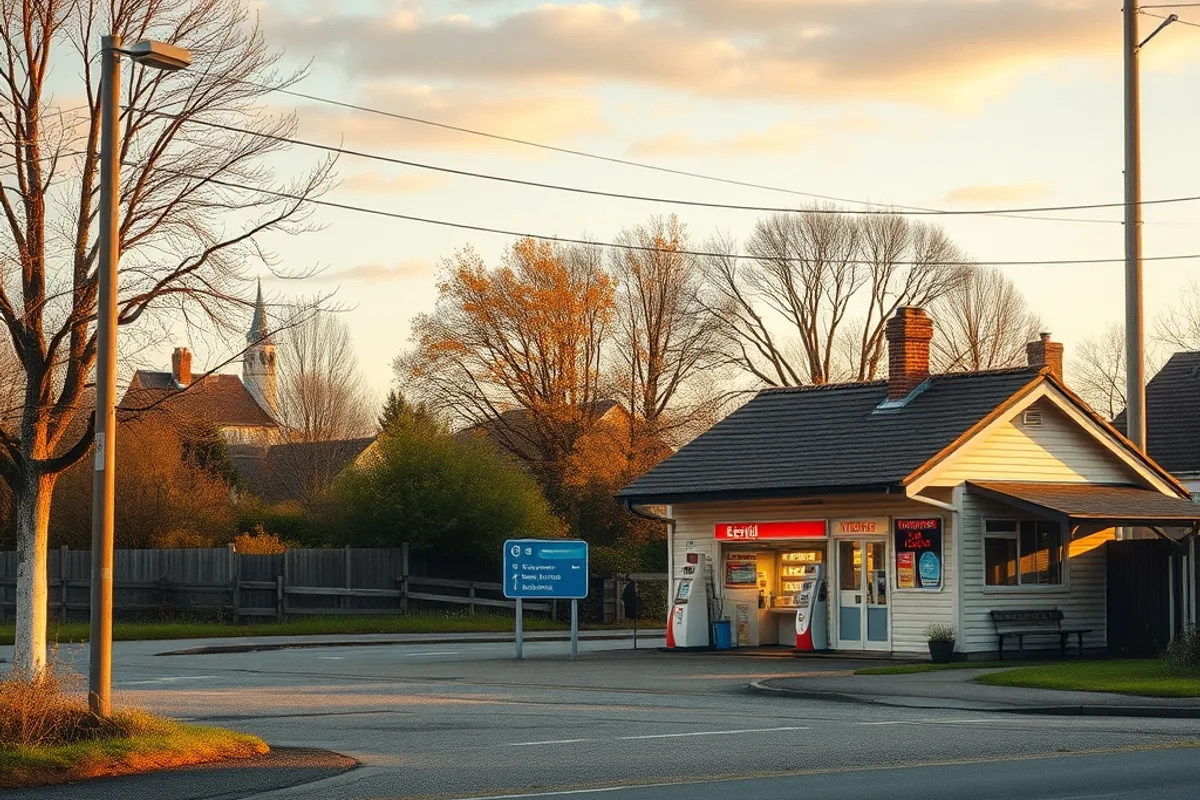
Start early. The first two hours have the softest light, the least traffic and the best chance of seeing wildlife. A 7am start also gives you a buffer for the unplanned stop that turns out to be the best part of the day. I plan to finish before dusk, because a scenic road in the dark is just a road.
The direction matters for the light. If the route runs east to west, the afternoon sun is in your eyes; west to east, the morning sun is. A coastal road is often better driven with the sea on the passenger side, so the driver can pull over safely. I check the sunset time and leave a margin for the last viewpoint.
Fuel, food and water
Rural fuel stations keep short hours. I fill up before the remote section, not after the warning light. A full tank is cheaper than a tow truck, and it removes one thing to worry about on a mountain road. Food is the same: a village bakery, a farm shop or a supermarket before the empty stretch. A picnic is often better than the only restaurant for 60 kilometres.
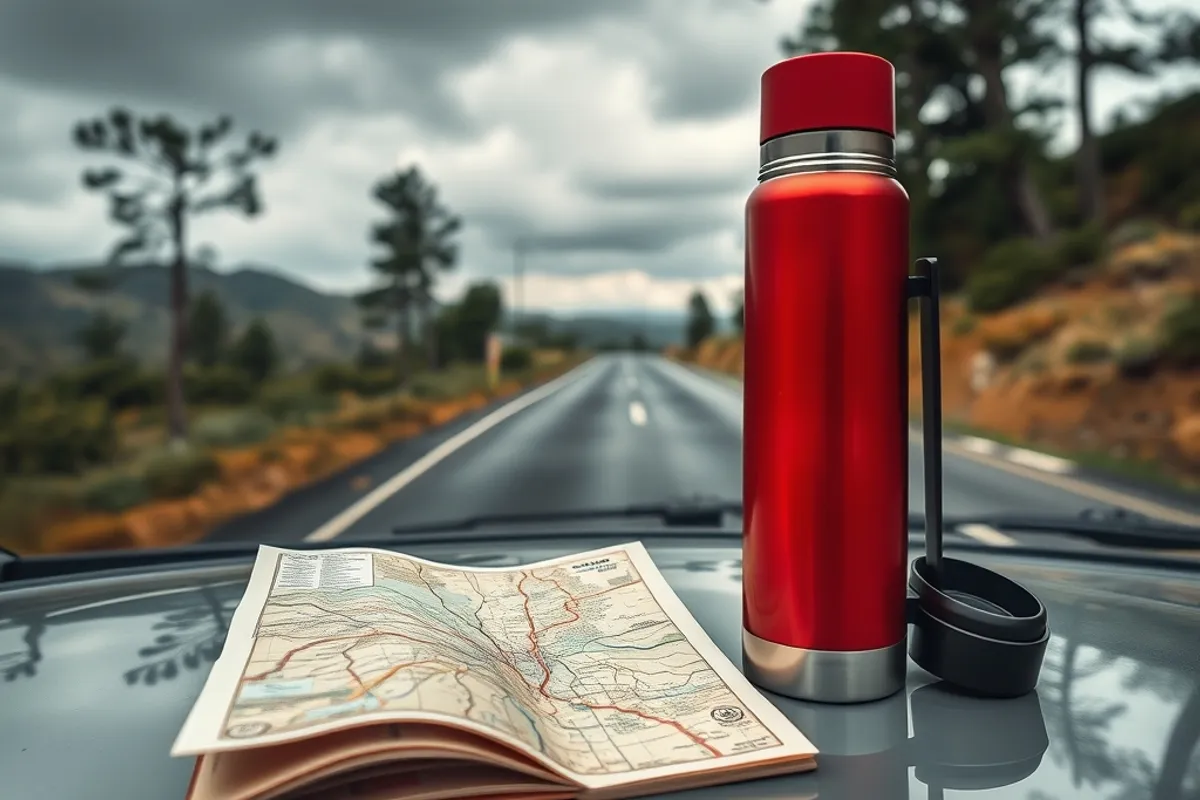
I carry water, a thermos, a small cool bag and a rubbish bag. The best stops are the ones with a view and a bench, not the ones with a gift shop. A paper map is a good backup and a pleasant way to see the route as a whole. The phone is for navigation, not for planning the next stop while driving.
The best scenic drive is the one where you stop more often than you planned and arrive later than you expected.
Mountain roads and wildlife
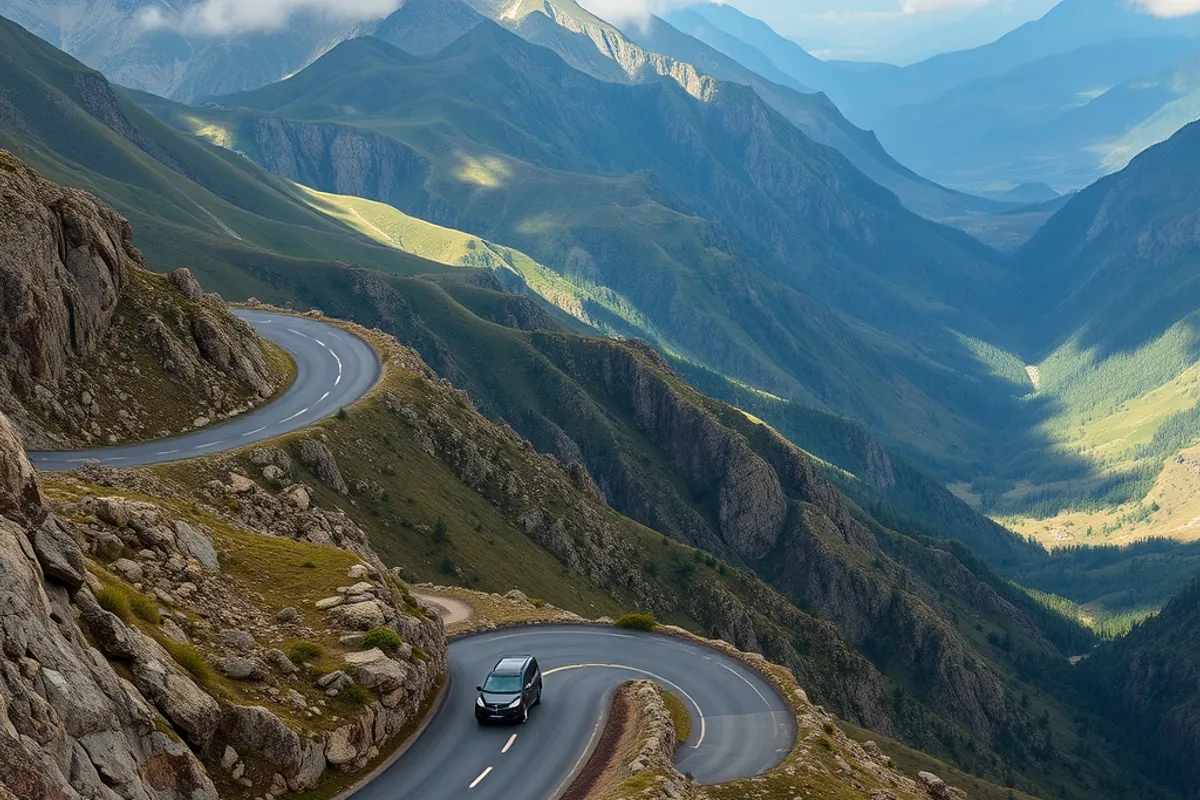
Mountain roads demand attention. Hairpins, blind corners, cyclists and livestock are part of the route, not obstacles to beat. I use the engine brake on descents, keep the car in a low gear and pull over to let faster traffic pass. A scenic road is not a race track, and the local drivers know it better than you do.
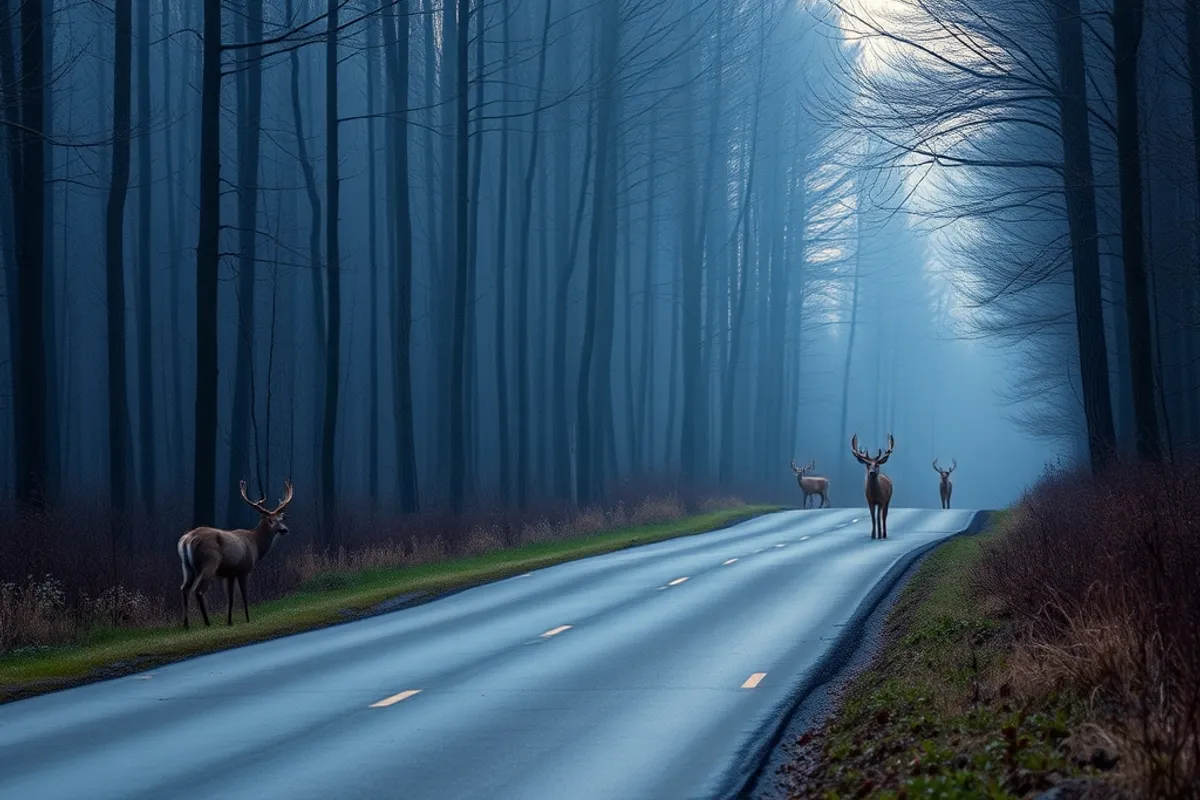
Wildlife is most active at dawn and dusk. Deer, sheep and cattle can appear on the road with no warning, especially in forest and moorland. I slow down in those sections and scan the verges. If an animal is on the road, stop and wait; a honk can send it into the car. The drive is not worth a repair bill or an injured animal.
Where to sleep
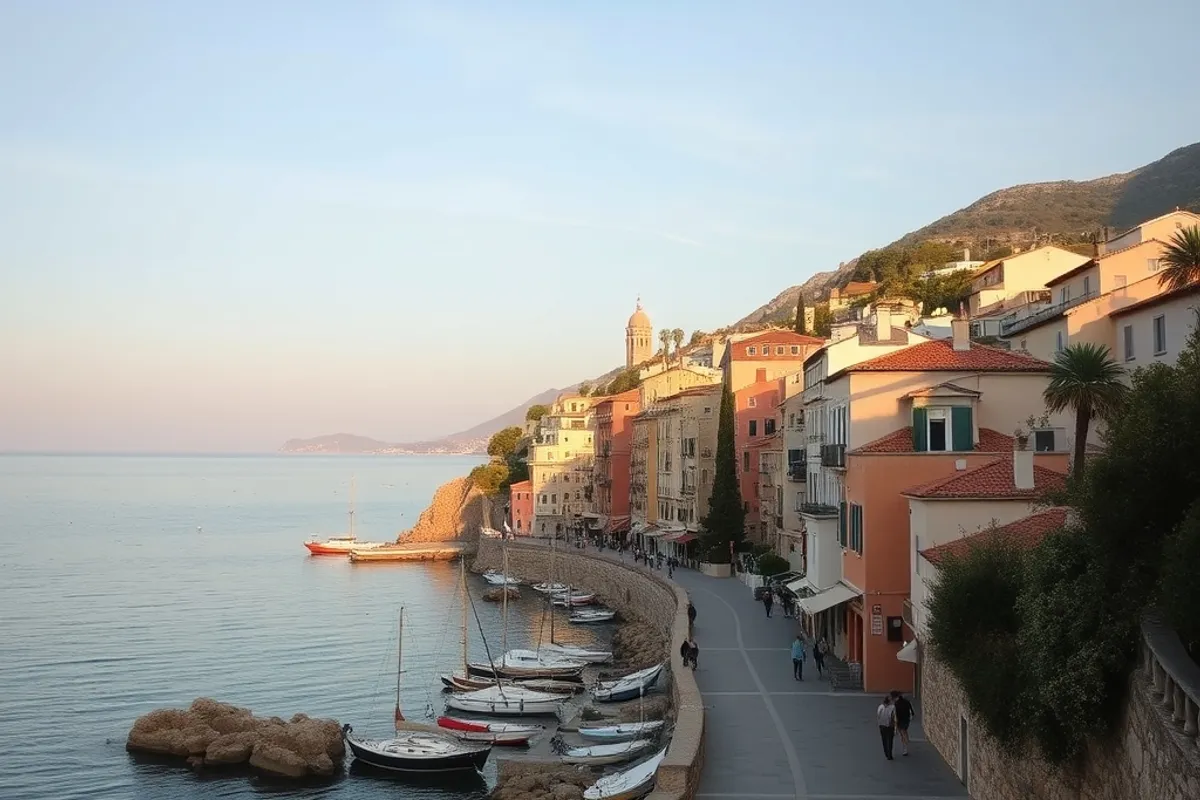
A scenic drive is better as a two-day trip than a marathon. I choose a small town or a village halfway, with a hotel or guesthouse that has parking and a kitchen nearby. The night is part of the route: a walk, a local dinner and an early start. A chain hotel beside a motorway is convenient but removes the reason for the drive.
I book the room before I book the car, because the good small places fill up in season. A guesthouse with a packed breakfast is worth more than a hotel with a late bar on a driving trip. The car can stay parked for the evening, which is the whole point of stopping.
Offline maps and the plan B
Signal is not a plan. I download the map for the whole route before I leave and keep a paper map in the car. The phone can die, the network can drop and the app can send you down a farm track that is not a road. A paper map also shows the alternative routes when the pass is closed or the coast road is flooded.
The plan B is the other road, the later ferry or the extra night. I check the road closures and the weather before I set off, and I keep the fuel and food buffer for the detour. The best road trips have room for a change of plan, because the point is the drive, not the schedule.
What it costs
A two-day scenic drive for two usually costs 250 to 500 dollars for the car, fuel and tolls, plus 120 to 250 for the night and 80 to 150 for food. The range depends on the country and the car. A small hatchback and a guesthouse are at the low end; an SUV and a boutique hotel are at the high end. The expensive version is not always the better drive.
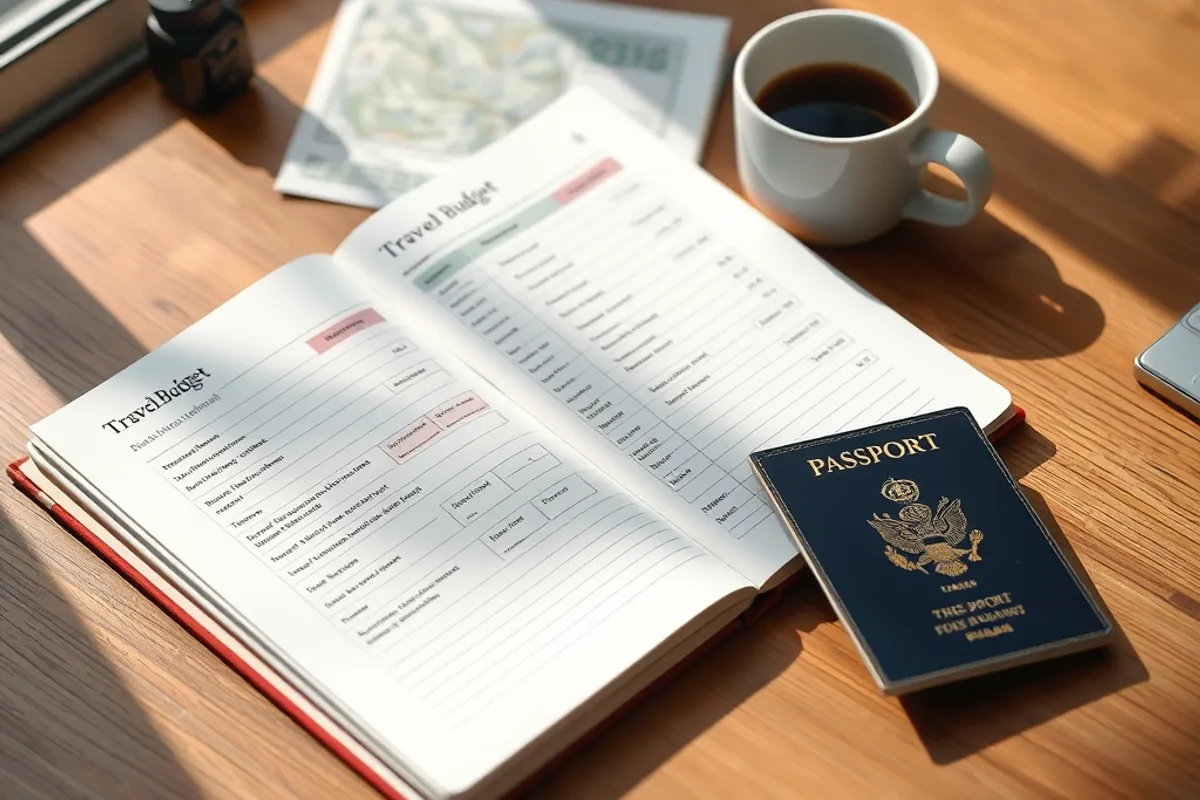
The best value is a small car, a full tank, a picnic and one night in a village. The worst is a long day, a rushed lunch and a hotel beside a motorway. If the route is on foot rather than behind the wheel, our coastal hiking guide covers the three-day version. If the drive is part of a longer trip, the trip budget method keeps the total honest.