
Adults-only is one of the most searched phrases in resort booking and one of the least precise. It can mean no children, no one under 16, no one under 18, or a property that is quietly couples-focused without saying so. The difference matters, because the quiet you are paying for is not guaranteed by the label.

What adults-only actually means
The age policy is the first thing to check. Most adults-only resorts set the line at 16 or 18, and a few allow older teenagers in some areas. Some are couples-only and will not accept solo travellers or same-sex groups; others welcome anyone over the age limit. The policy should be on the booking page, not buried in the FAQ, and it is worth confirming in writing if the trip depends on it.
The second thing to check is the day-pass policy. A resort that sells day passes to local guests can be quiet in the morning and busy in the afternoon, which is not the product the brochure promised. I ask how many passes are sold, which facilities they include and whether they are limited in peak weeks. A simple email before booking has saved me from two noisy surprises.
The quiet premium
Adults-only resorts usually cost 10 to 25 percent more than a comparable family property. Part of that is the smaller guest count and the extra space per person; part is the positioning. The premium buys a pool without cannonballs, a restaurant without high chairs and a bar that stays calm after nine. Whether that is worth the money depends on what you are trying to escape.
For a honeymoon or a reset weekend, the premium can be the whole point. For a group of friends who want a lively pool, it is money wasted. I compare the adults-only rate with a family resort in the same area and ask what the extra buys: a quieter pool, a better restaurant, a larger room or simply a different crowd.
Adults-only is not a guarantee of luxury. It is a promise about who else is by the pool. Check the promise before you pay for it.
Room types and the best value
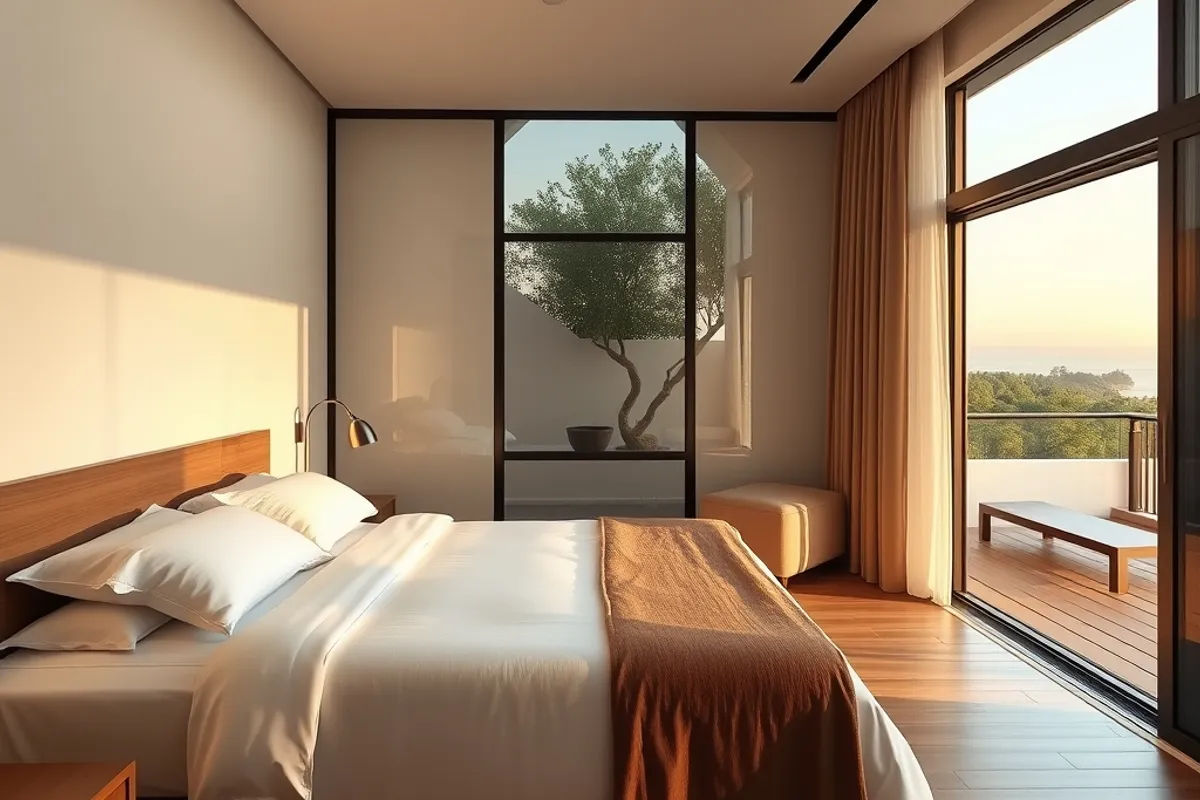
The best value is rarely the top suite. A standard room in a quiet wing, away from the bar and the service road, often delivers the same sleep as a suite with a bigger balcony. I ask for the resort map, the distance to the pool and the location of the evening entertainment, then choose the room that protects the quiet I came for.
Swim-up rooms are worth it if the pool is the reason for the trip and the room is on the quiet side. Private-pool suites can be excellent for a honeymoon, but a plunge pool that faces a walkway is not private. A sea-view room is only worth the upgrade if the view is not blocked by the restaurant roof. The room category should follow the holiday, not the other way around.
Food, bar and the evening
Adults-only resorts often put more effort into the bar and the dinner service, because the evening is part of the product. That can mean a better wine list, a quieter dining room and a bar that does not close at nine. It can also mean a dress code and a set dinner time, which is fine if you want ceremony and annoying if you want a casual meal.
I check the restaurant hours, the dress code and whether the best restaurant is included in the rate. A resort that charges a supplement for every dinner can erase the value of the quiet premium. The bar is the other test: a good adults-only property has a place to sit after dinner that is not the lobby, or the evening ends earlier than you planned.

Couples, solo travellers and friends
Couples are the core market, but the experience varies for solo travellers and friends. Some properties are genuinely welcoming; others are set up for romance and make a solo guest feel like a spare part. I read recent reviews from solo travellers and check whether the bar and the restaurant have communal seating, because a quiet resort can tip into lonely.
Friends travelling together should check the room configuration and the single supplement. Two adults in a double room is usually fine; two friends who want separate beds need to confirm the bed type. A resort that only sells couple packages can make a friends' trip expensive for no good reason. The policy is part of the product, not a detail.

The rules that surprise people
The rules are where the quiet premium can turn into a small irritation. Some resorts restrict the adults-only pool to guests in certain room categories. Some have a minimum stay in peak season. Some charge a resort fee that is not in the headline rate. I read the fine print for the pool access, the restaurant inclusions and the cancellation policy before I book.
Age limits can also surprise. A property that says adults-only may still allow 16-year-olds, which is not the same as a child-free week. If the trip is a honeymoon and the pool is full of teenagers, the label has not delivered what you expected. Confirm the actual age policy and the day-pass rules, then decide whether the premium is still worth it.
Is it worth it
It is worth it if you want a calm pool, a quieter dinner and a resort that does not revolve around children. It is not worth it if you want energy, a family atmosphere or a lower rate. The premium is real, but so is the difference in the week. The mistake is paying for quiet and then choosing a room beside the bar, or booking a family resort and complaining about the noise.
For the package maths, our all-inclusive value guide shows when the rate covers the food and drink you will actually consume. If the goal is a short reset rather than a resort week, the hotel staycation guide covers the one-night version.